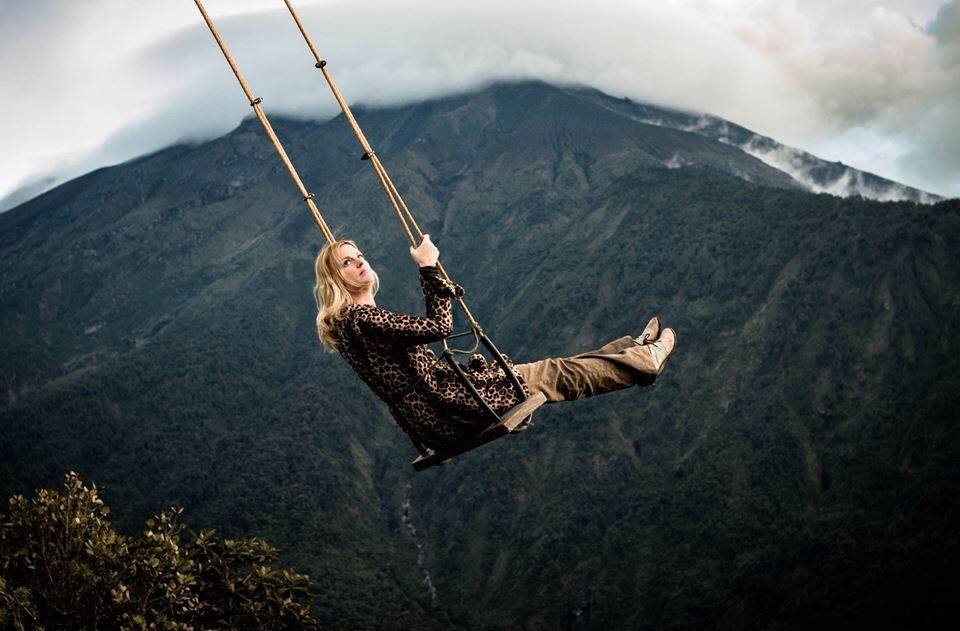
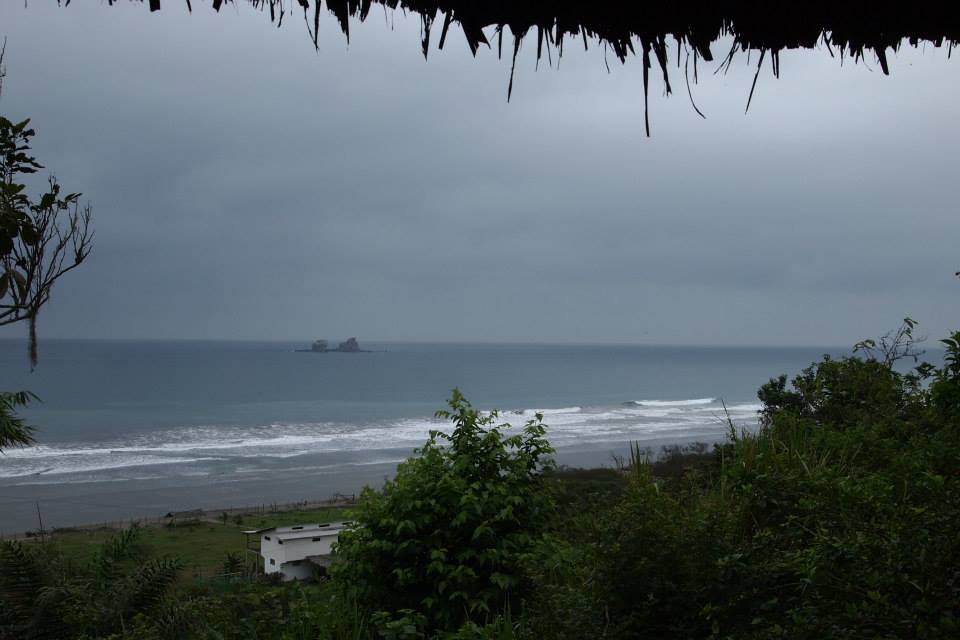
Casa Del Arbol, Baños, Ecuador.

Casa Del Arbol, Baños, Ecuador.
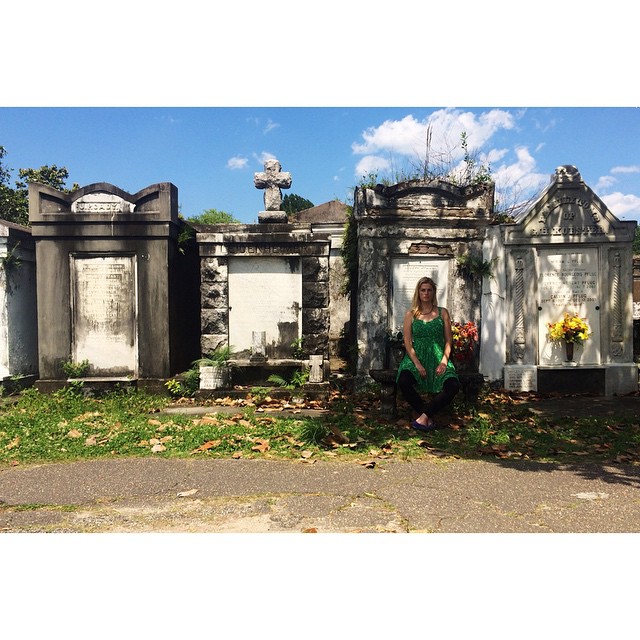
I wandered away from the crowd of tourists, brown magnolia leaves broke apart under my shoes. I found an old stone bench hidden in a narrow walkway and sat down. The cemetery felt like an old sanctuary, its white tombs and crying angels sat quietly under a gloomy sky. Split concrete and overgrown weeds spread out over the soft flat earth. The names of the dead etched carefully in stone. I looked around and felt at home.
Winter had ended and what remained was a visceral fear of darkness that lingered. This fear demanded something of me. It necessitated a change that needed to occur. I understood this fear and listened to it closely. It was the only thing left that felt real.
Feeling rather morose, I decided that I was tired of procrastinating. The trip abroad that had been churning around in my mind for quite some time began to take shape. The shape had real edges. It was large. It was called Africa. I had always wanted to go to Africa.
Instead I traveled to South America. I flew above the Andes Mountains and the airplane I was on shook so violently that it had to be diverted to Guayaquil, a large city on the Pacific Coast. After several hours sitting on the tarmac, the plane took flight again. It made its decent into the heavy night and shook ever so slightly, then glided gently over the ocean, leaving behind glimmering lights and swaying palms.
My plane landed in Quito to cheers and sighs of relief. After several perplexing minutes with an irritated immigration official, I walked past customs and out the door into the chaos of arriving taxis and buses. I found my driver who had been waiting patiently for me, holding a small white sign with name, Lea. “Mucho gusto,” I said in broken Spanish, shaking his hand. “Mucho gusto,” he replied, perplexed. Opening the car door, I climbed in and threw my backpack to the side, stretching my back against the black vinyl seat. As I looked out the window into blackness, something mysterious whispered to me from the mountains. My need for sleep was instantly vanquished.
We sped past motorcycles and pickup trucks, weaving around traffic and dilapidated concrete houses. Street vendors cooked variations of meat, the scent of carne rose from the churrascos. A mangy dog limped out of the way and a small child kicked a soccer ball, sending it down a broken staircase. Car horns honked loudly and smoke wafted through an intersection.
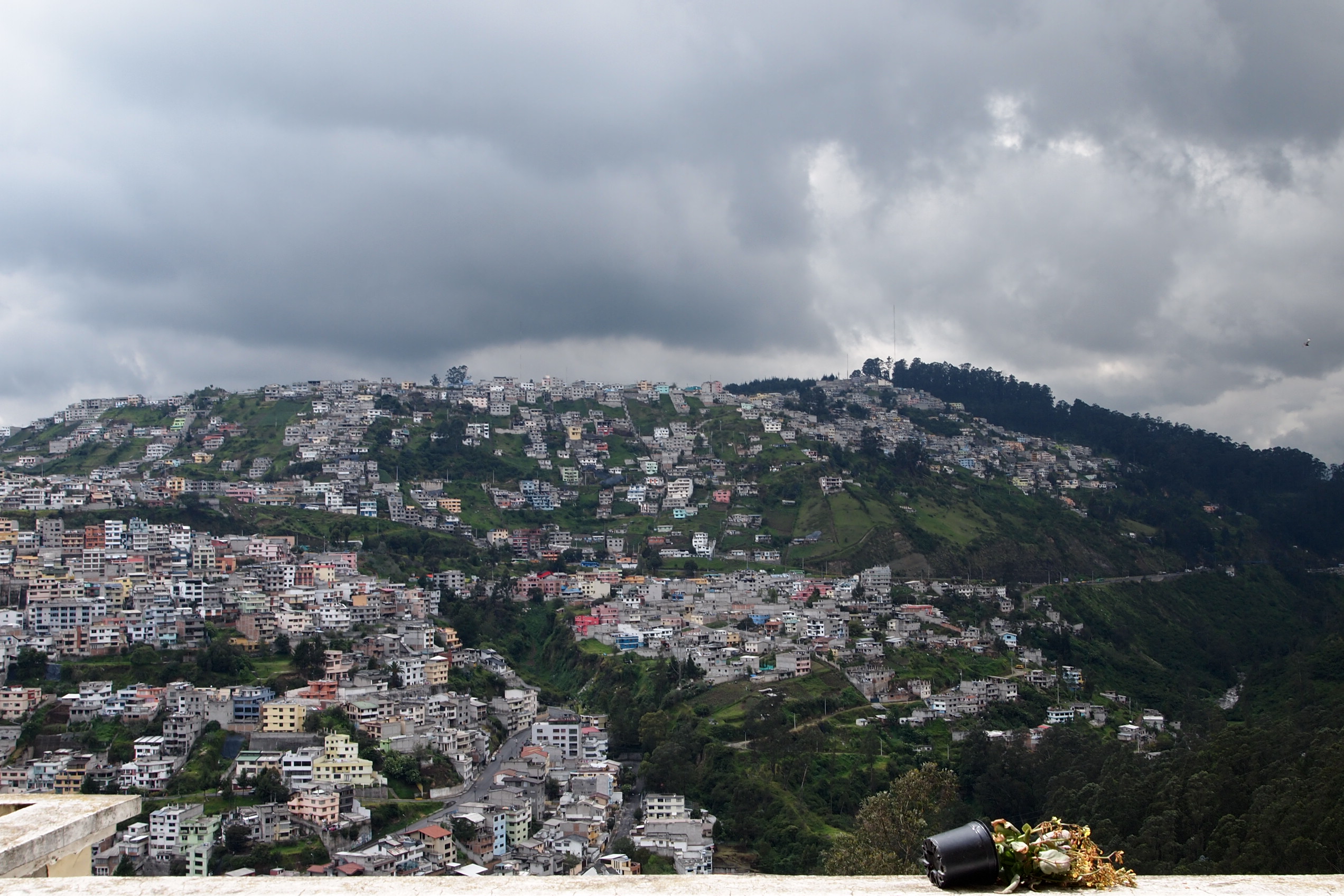
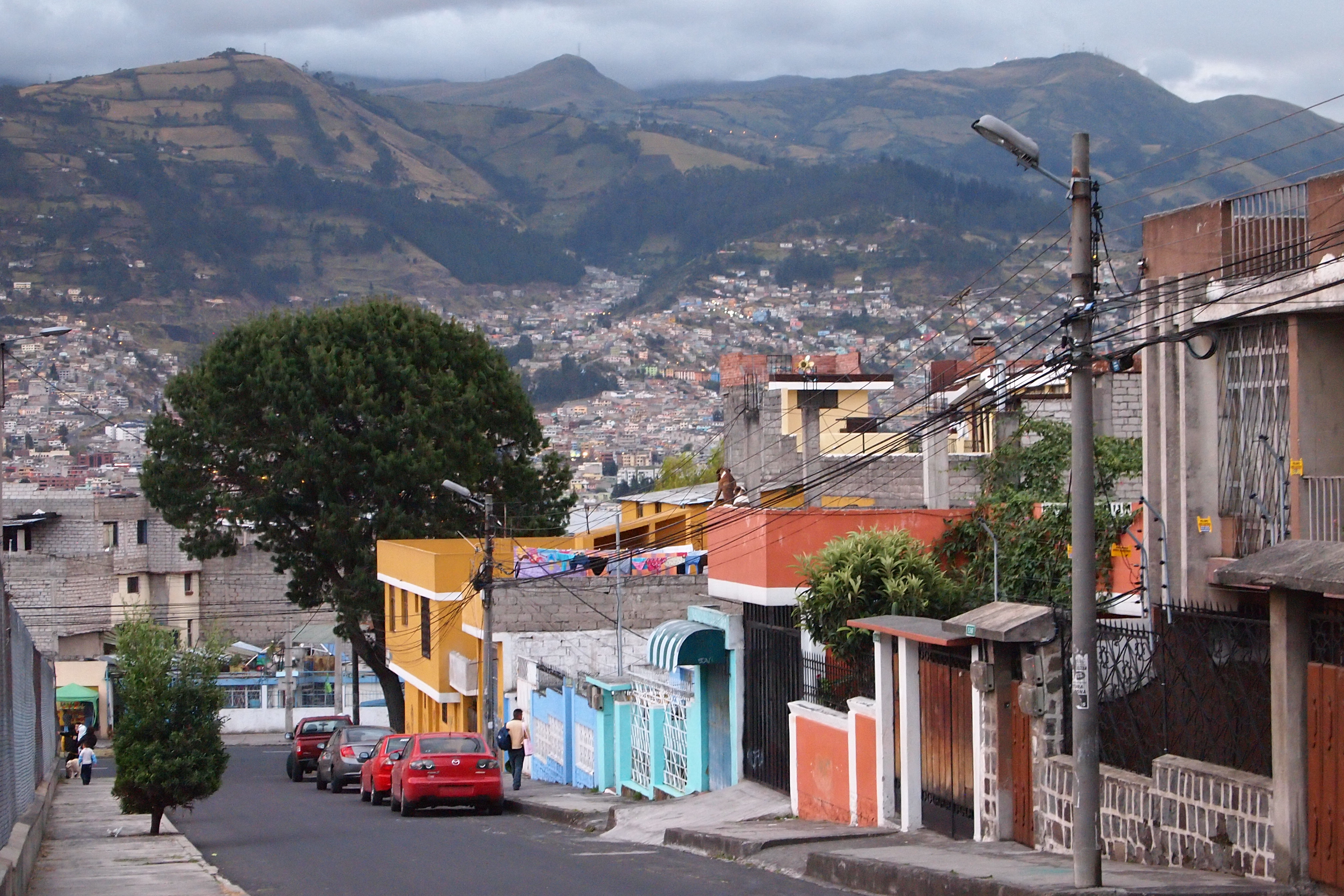
After driving miles and miles into the night on the old highway, the car slowed on a steep quiet street in the middle of a dark neighborhood. I stepped out into the chilly air with my backpack in hand and looked out over the sprawling city, its mountains covered in shimmering lights. A dog barked and a door opened. A man walked out into the street and introduced himself. I smiled, feeling fully alive.
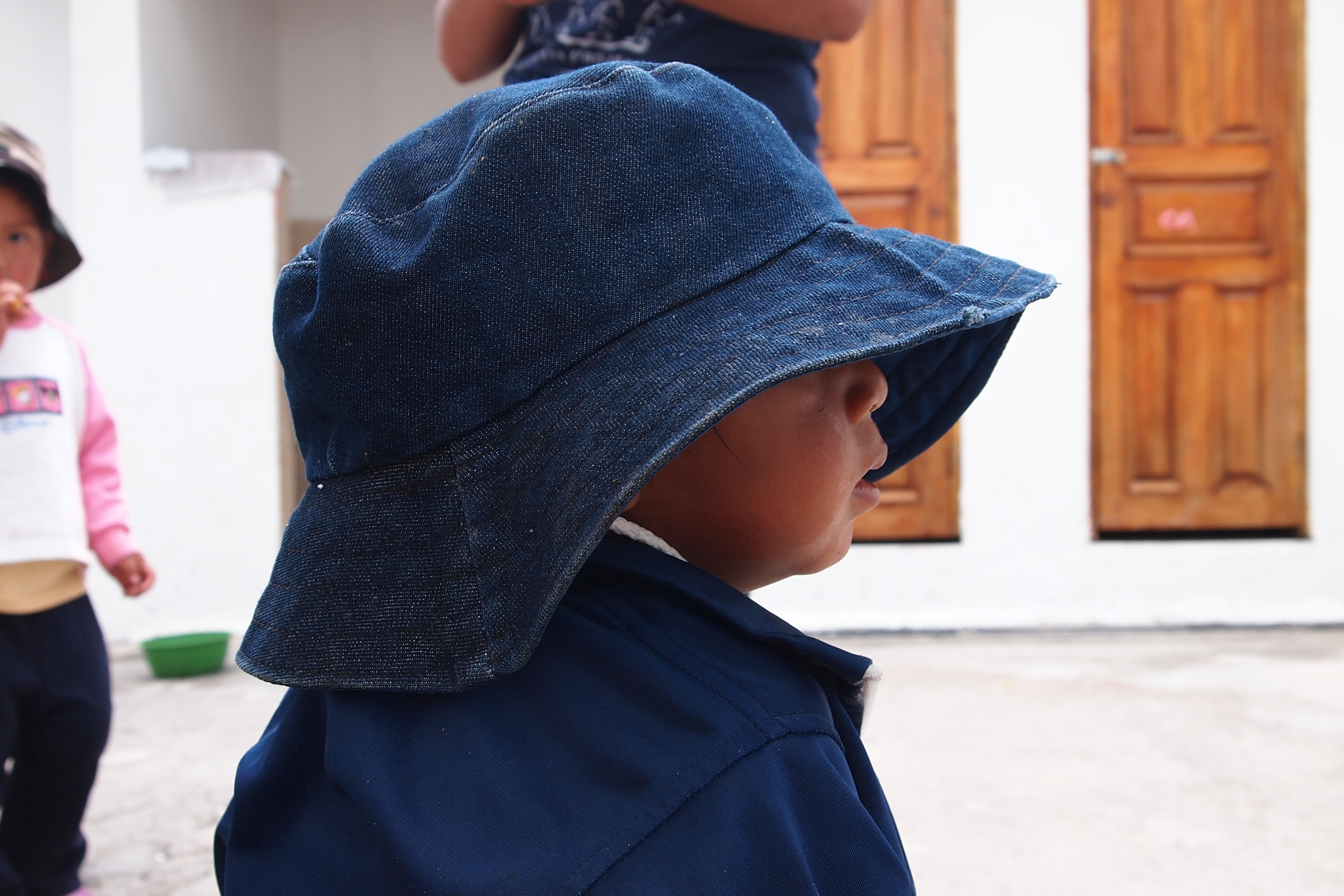
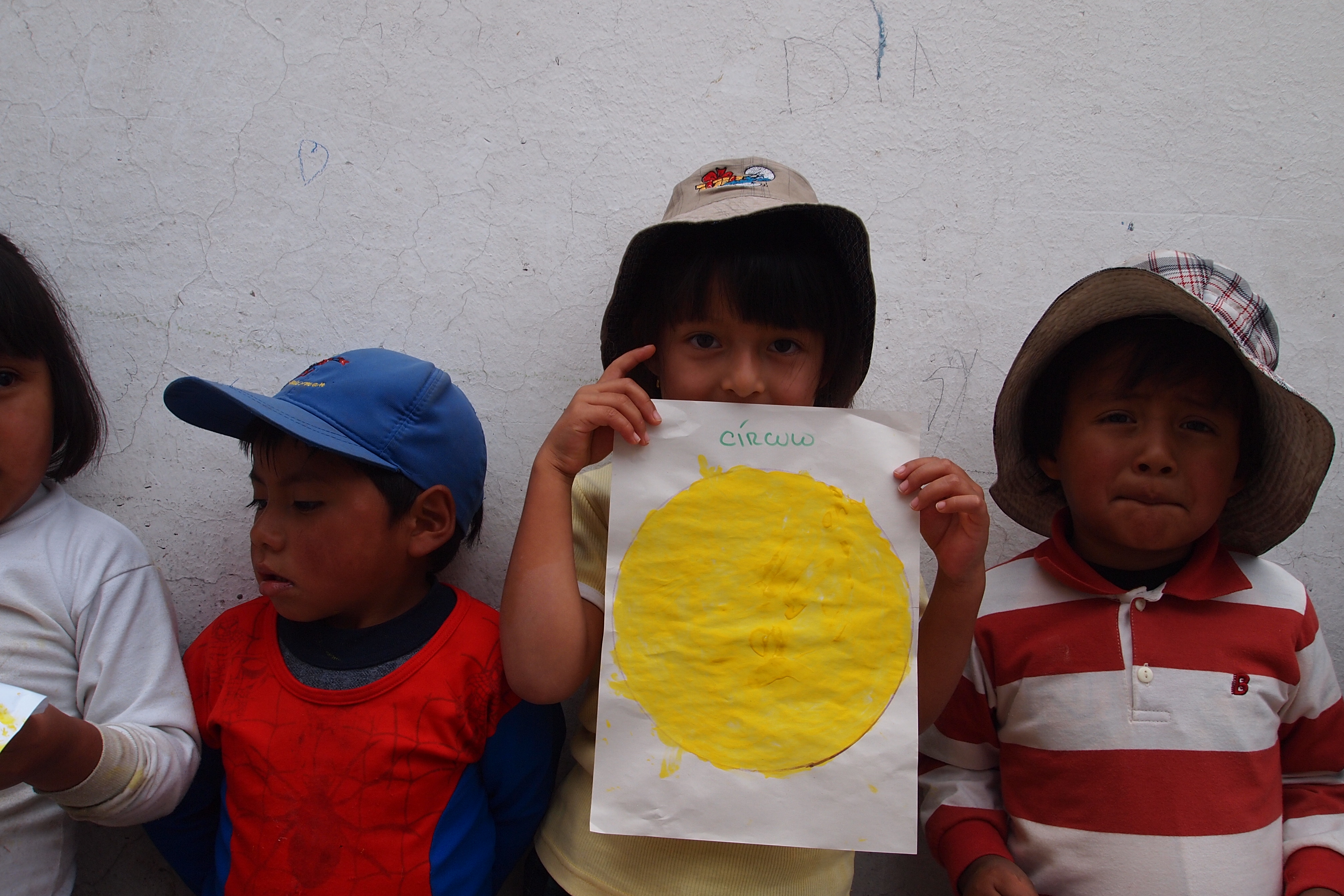
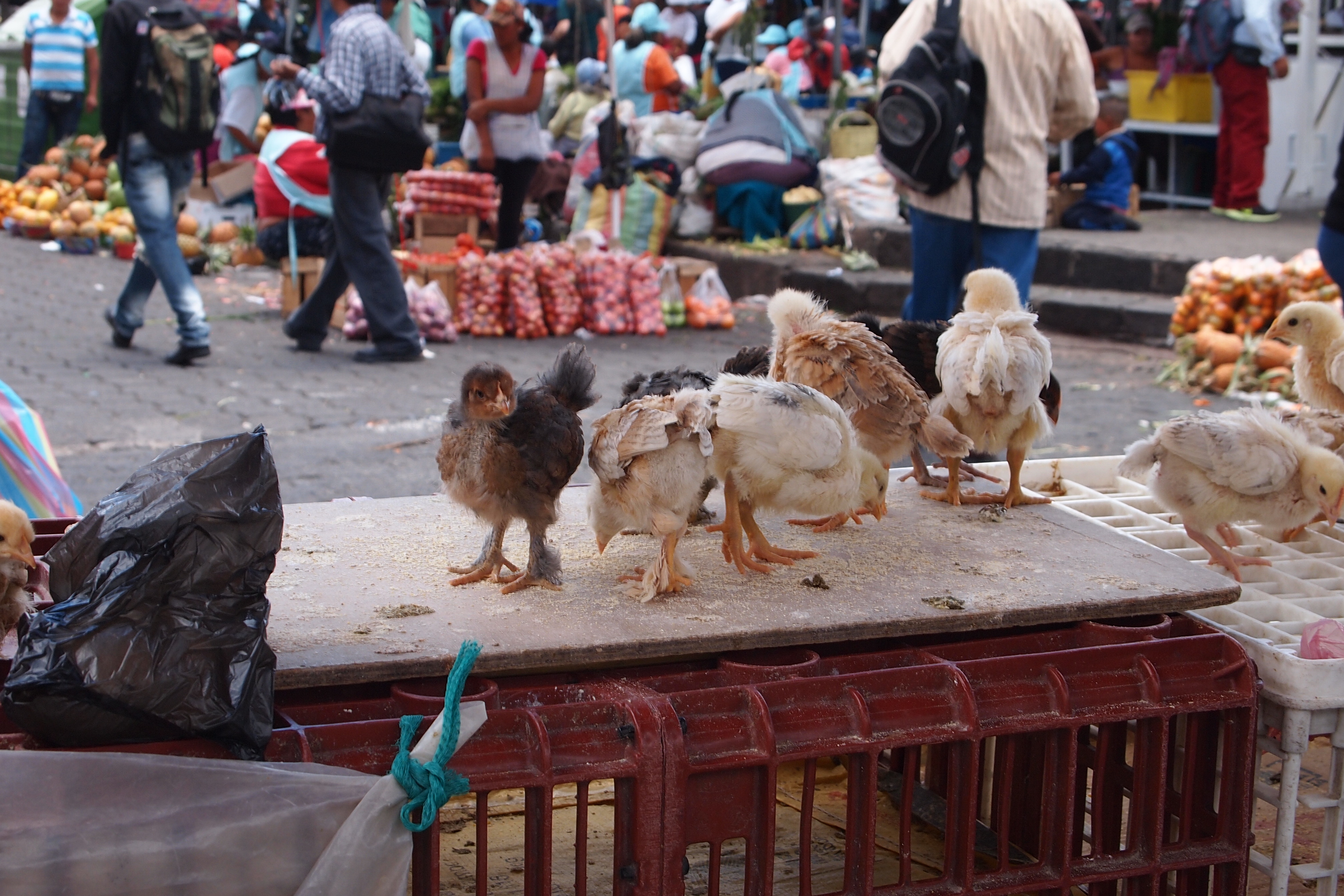
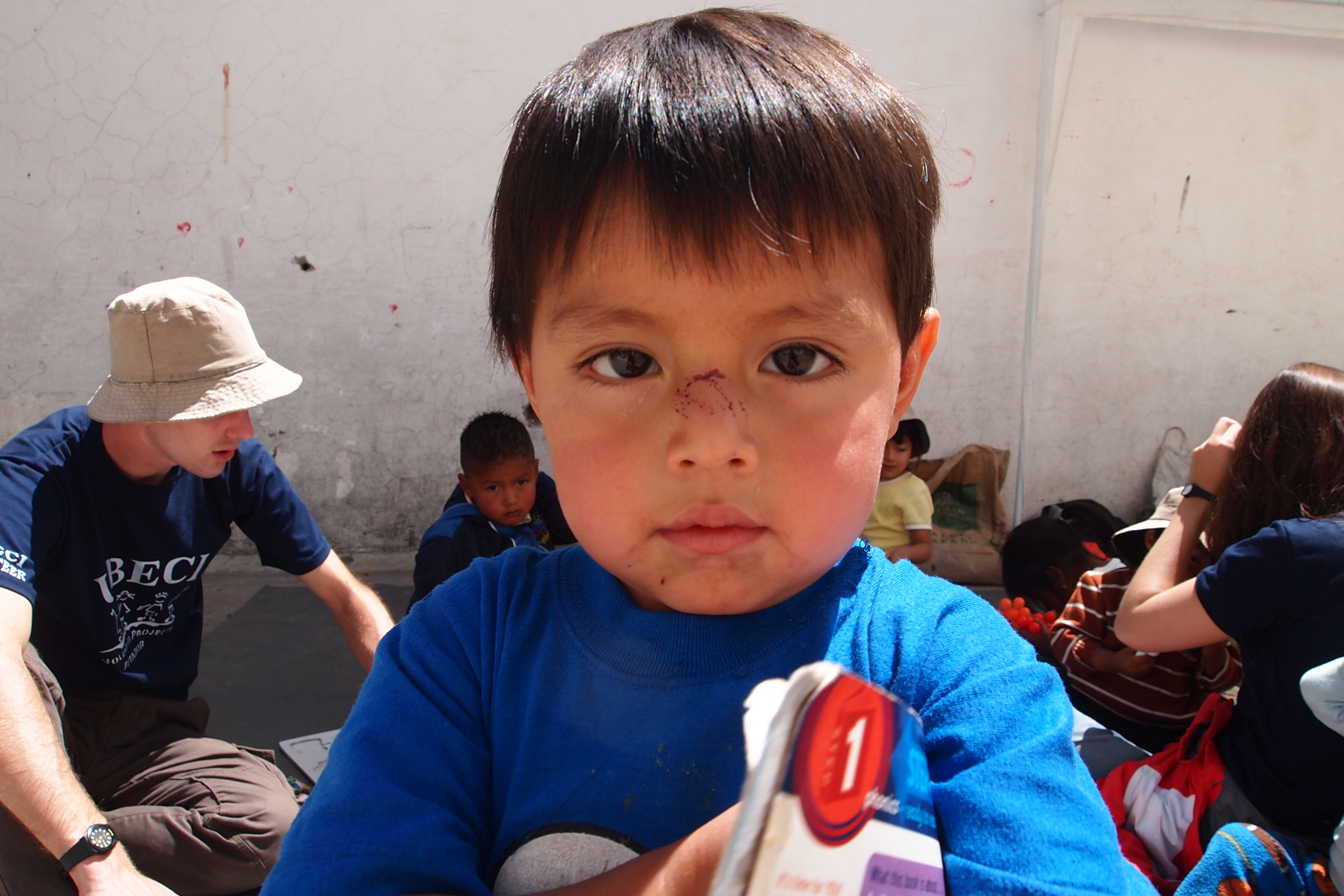
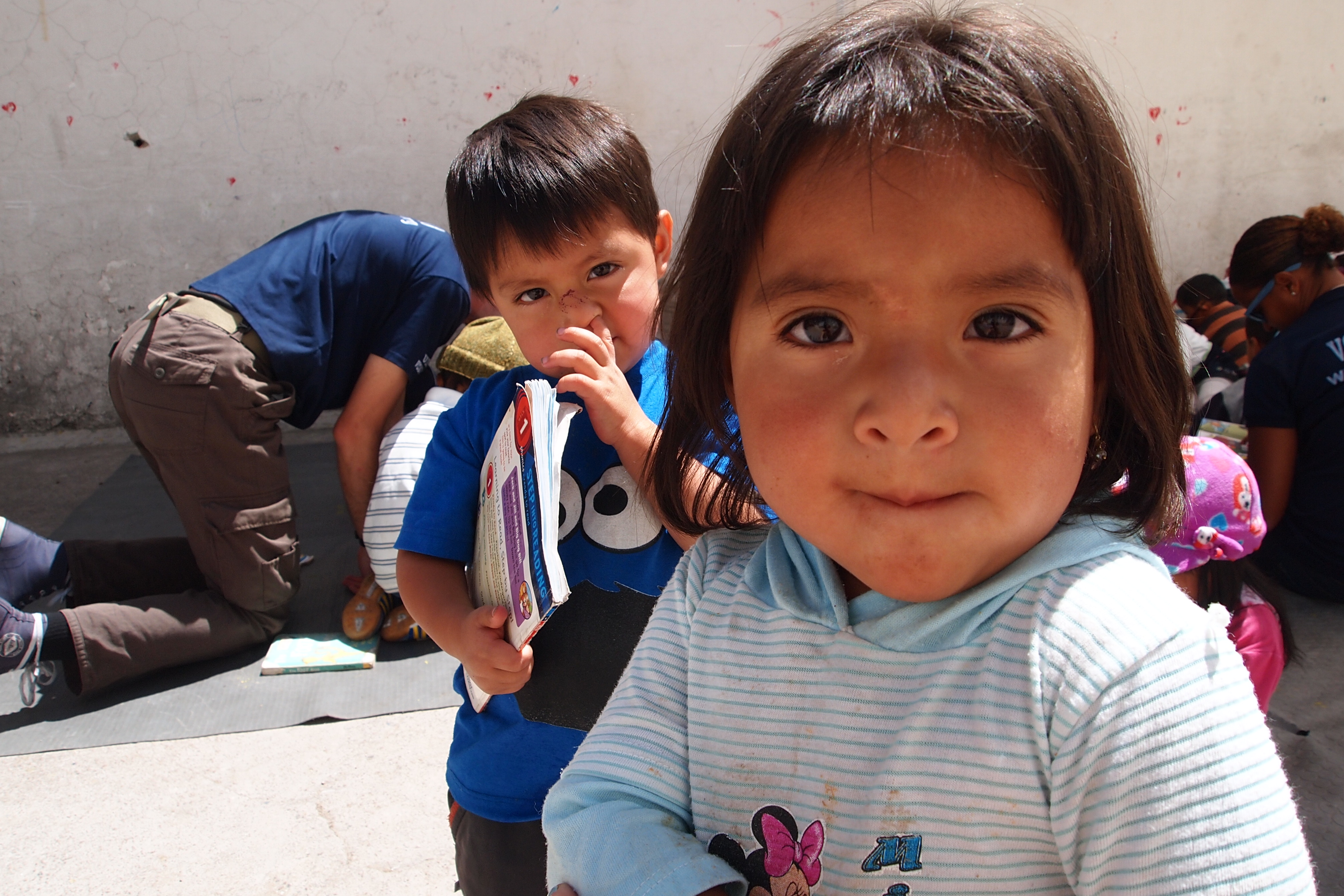
The next two weeks of my life consisted of looking after dozens of small children in a large market south of the city. We arrived early in the morning and set up tents in order to block out the sun. Inca music blasted from a nearby speaker while farmers began to set up their tables. Chickens and dogs mingled with children and women. Old men, sans teeth, laughed with their wives as they unloaded wheelbarrows full of naranjillas. Hundreds and hundreds of people came, bringing with them barrels of maíz and frijoles. I took a child in my hand and wandered around the immense market, marveling at the variations of fresh fruit and meat. Long sausages dangled from metal hooks. Dark red livers glistened in the morning heat. A filthy dog wrestled against a long brown rope. People talked and bartered and laughed.
While exploring the country, I attempted to climb my first volcano. I spoke Spanish and ate chicken hearts. I drank instant coffee Bordain style and sat in the back of pickups trucks as they sped rapidly up and down mountain roads. I discovered the sound of Julio Jaramillo and became even more mesmerized with the sound of the pan flute. Halfway through my second week of volunteer work, I reunited with an old friend. On a Saturday evening during the first week of September, we walked through the city to Fiesta de Guápulo. While walking slowly up an old staircase towards people and cars, sparklers and fireworks crackled and erupted, lighting up the night sky. I stood in front of an old bar and watched as a man with the most amazing swagger I had ever seen walked towards me. He came and stood to the right of me and began to speak. I fell in love. I left Ecuador and returned to Ecuador. On my return, we fell deeply in love and traveled together, danced together, sang together, laughed together, and worked together. We fell even more in love and then everything fell apart.
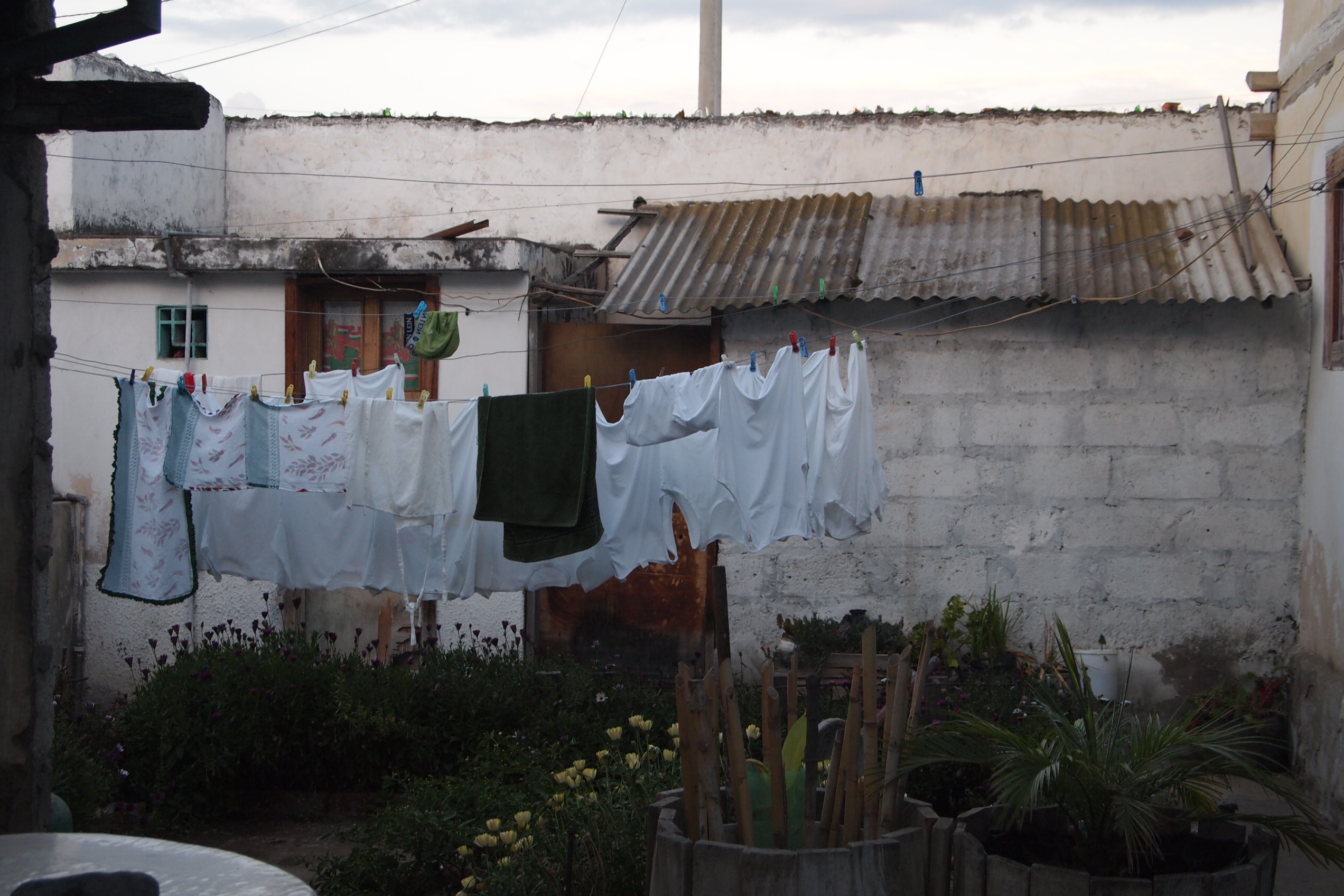
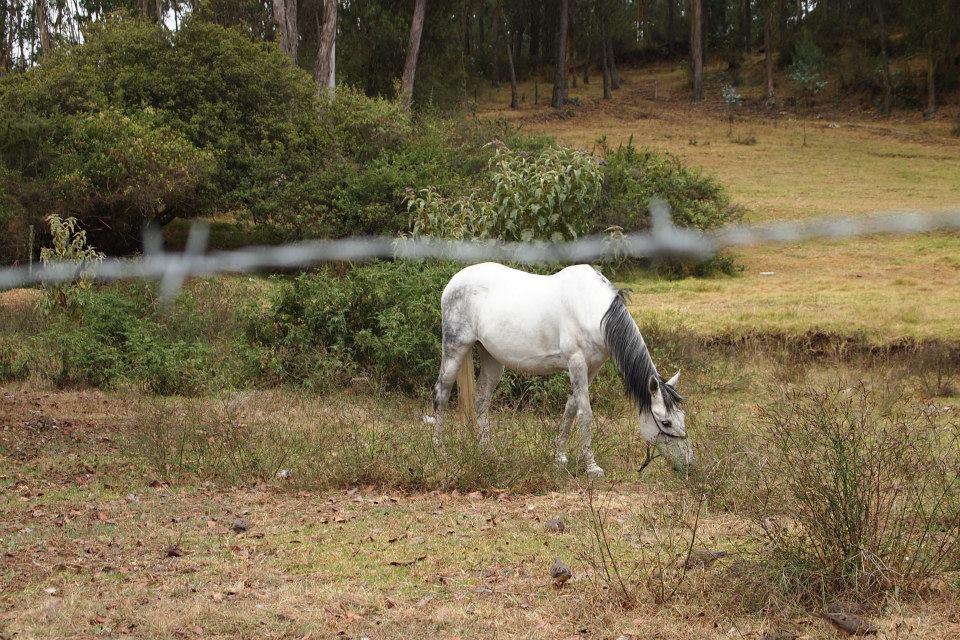
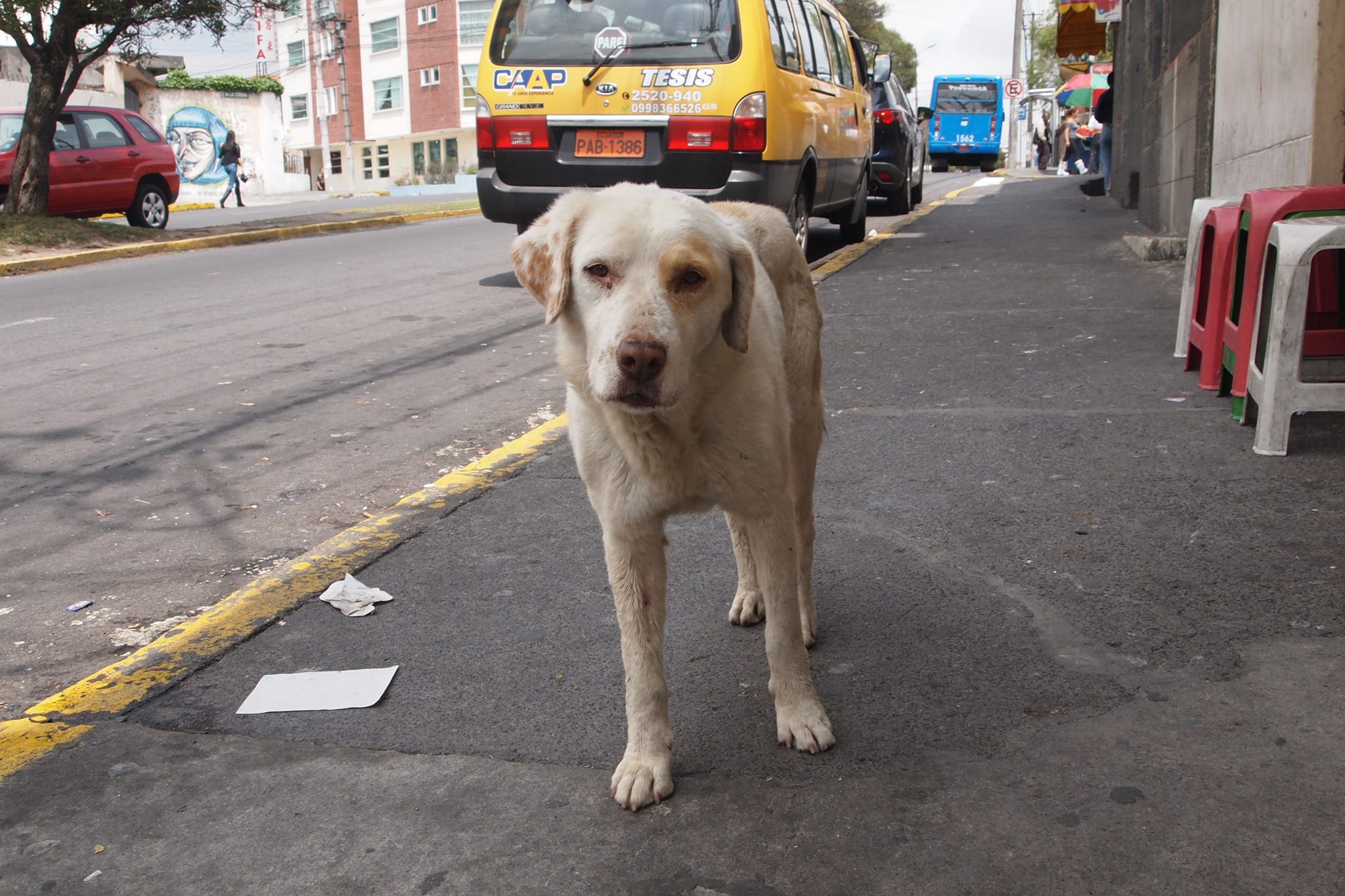

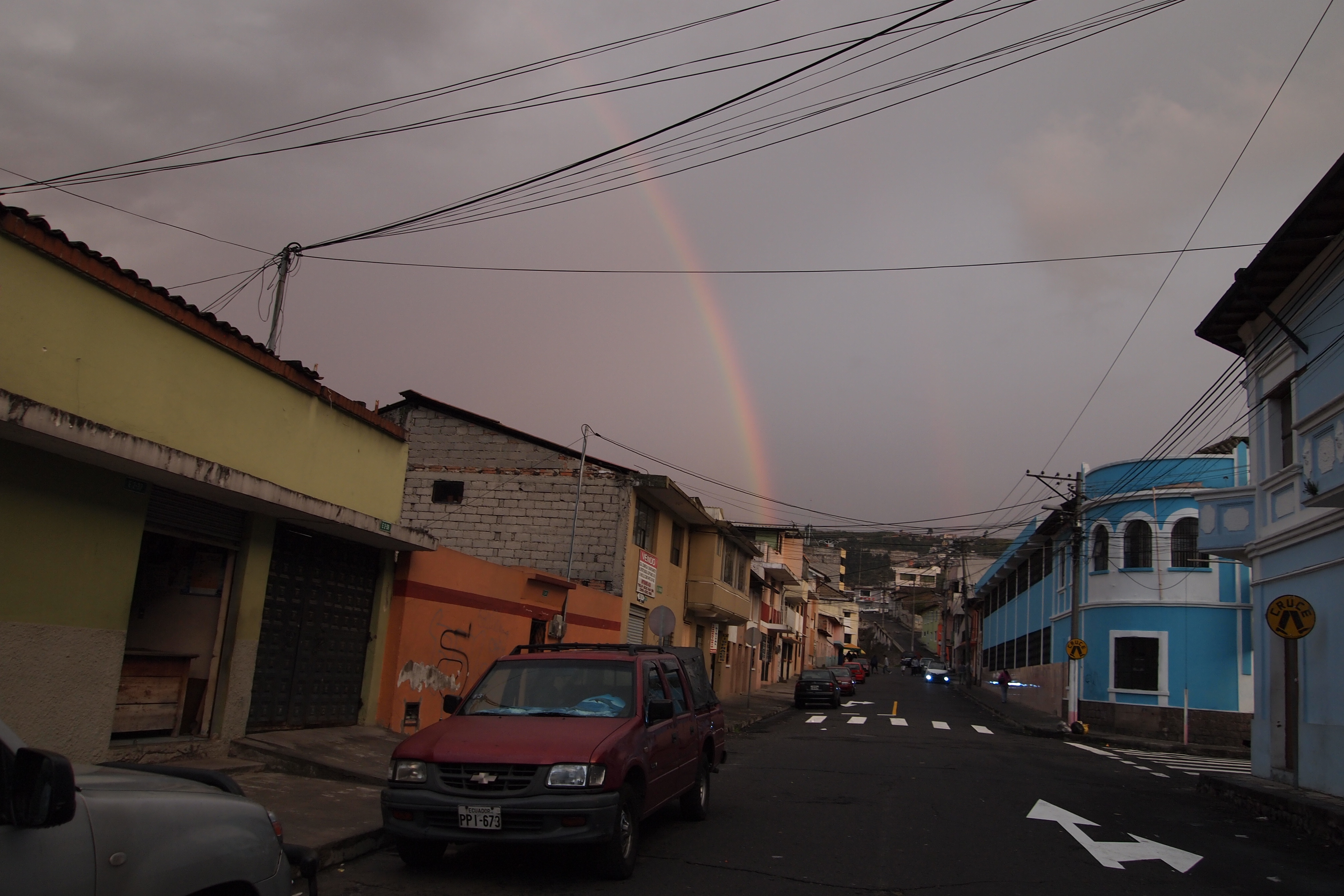
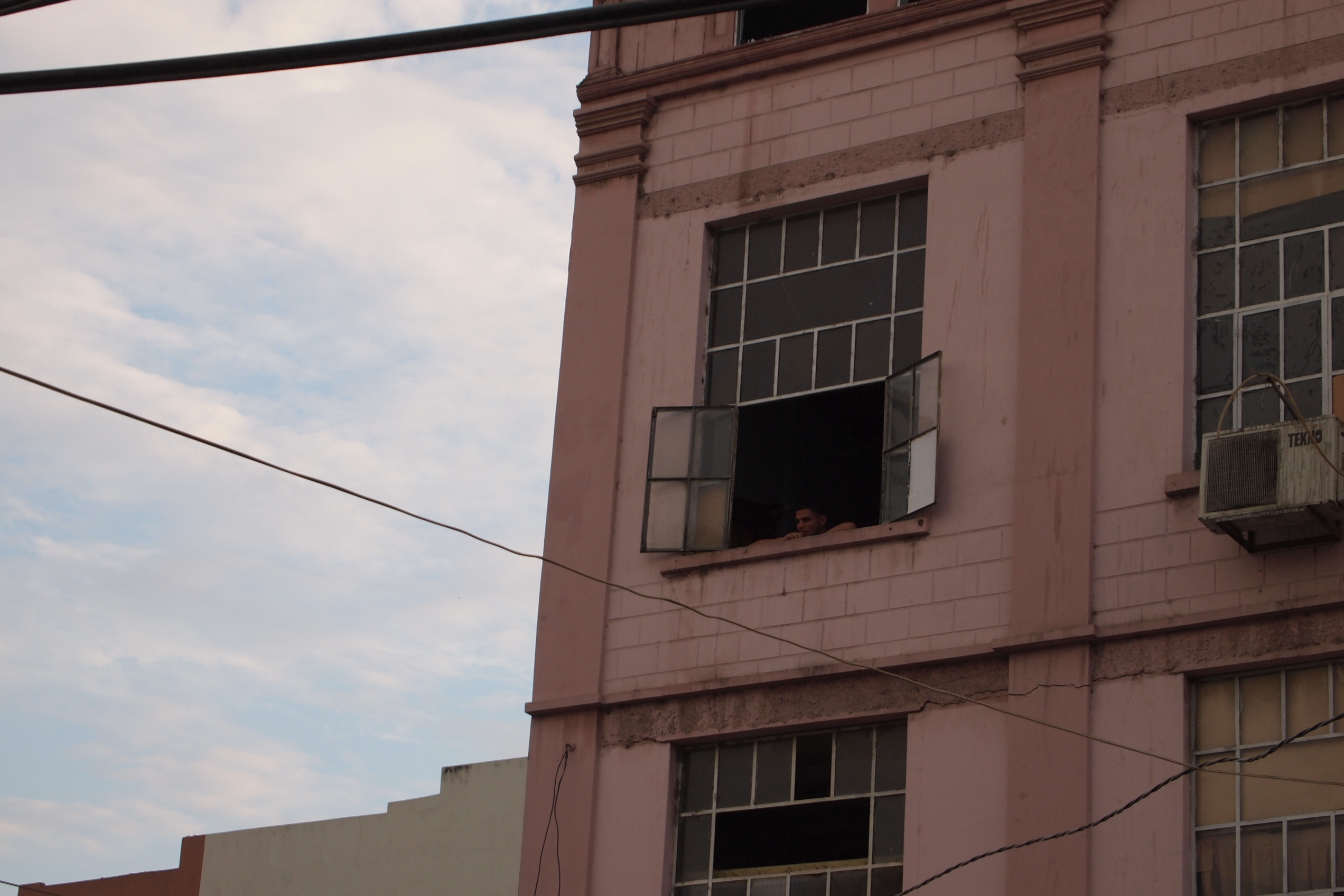
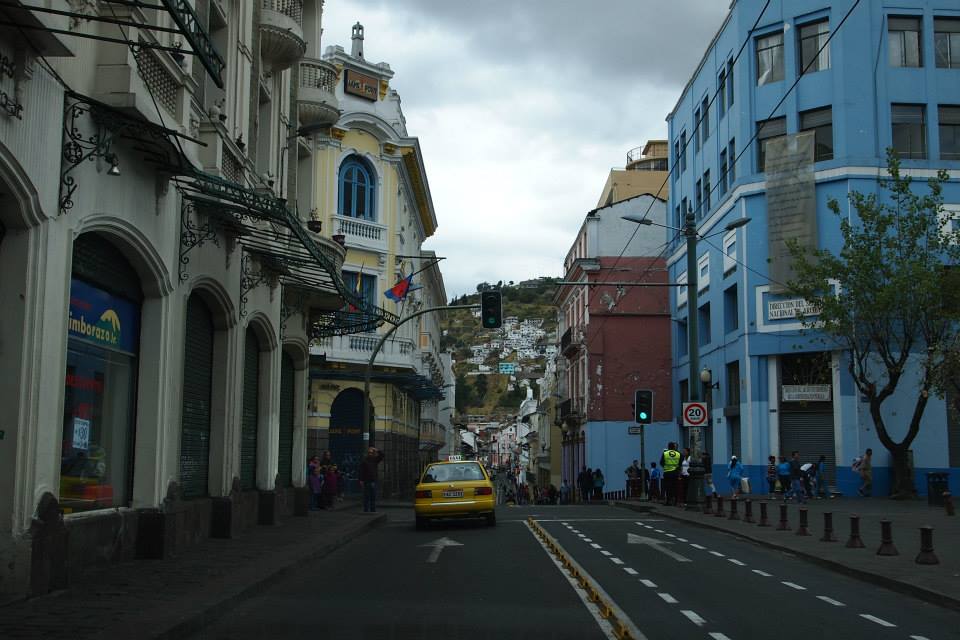
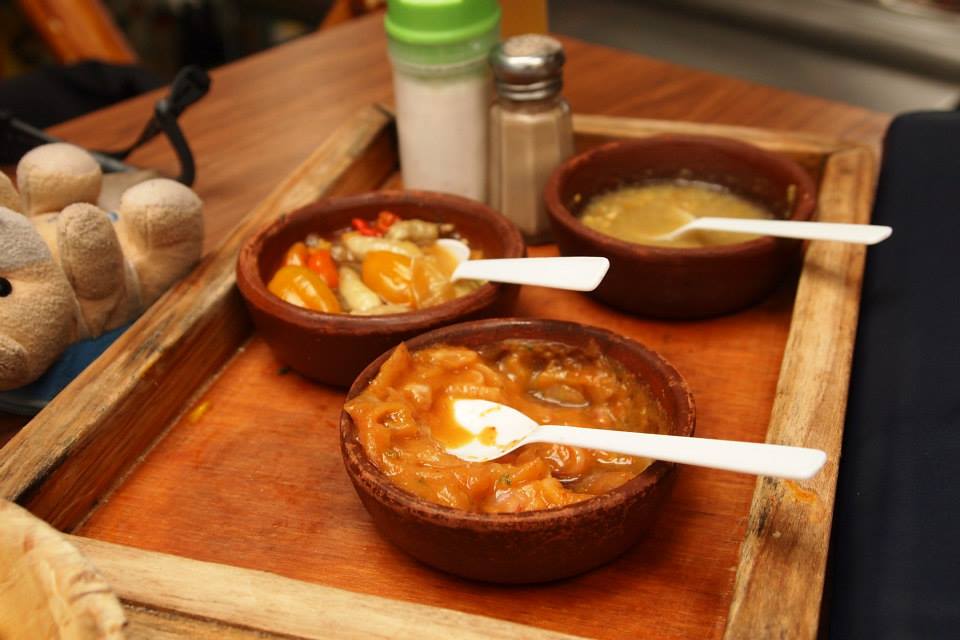
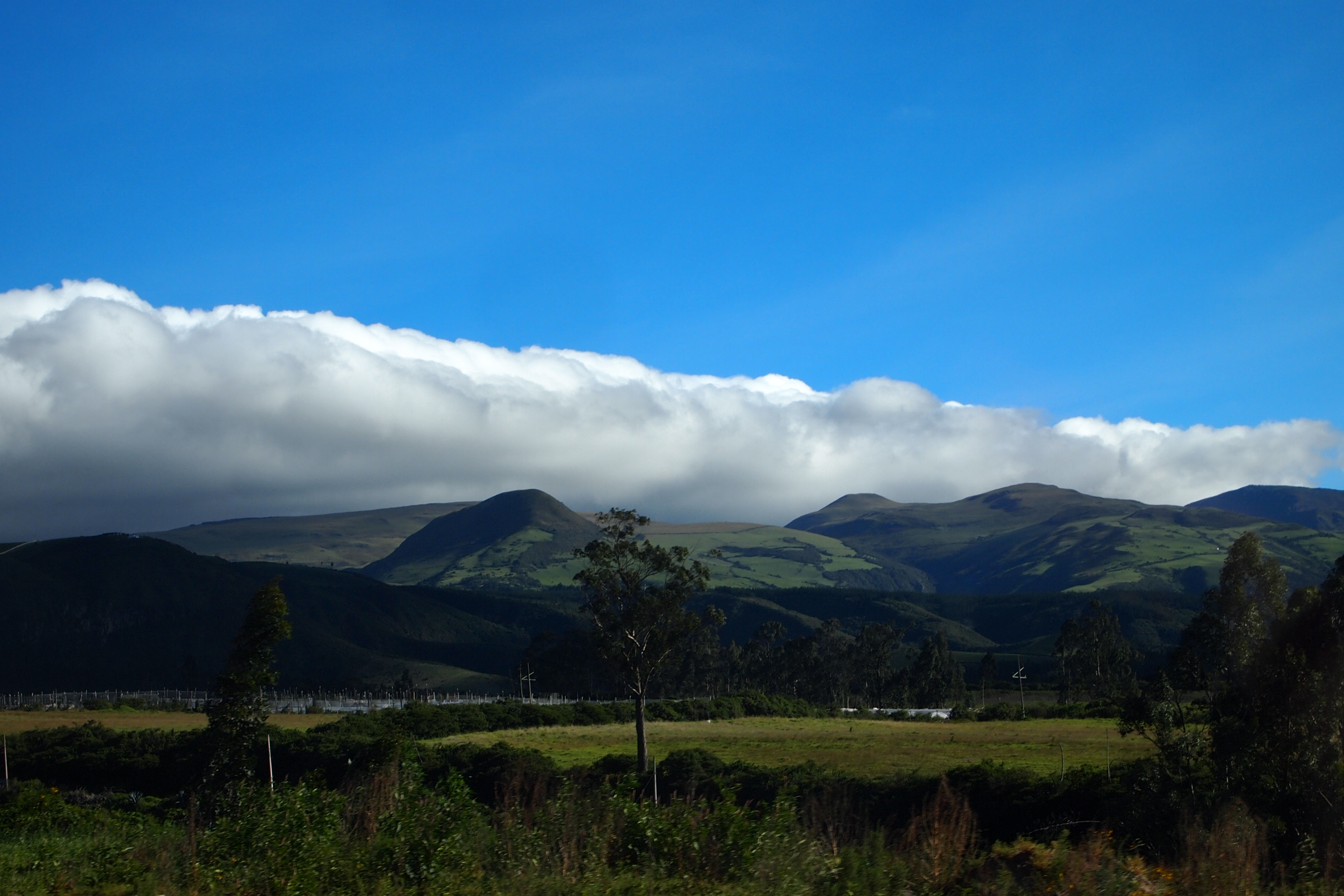
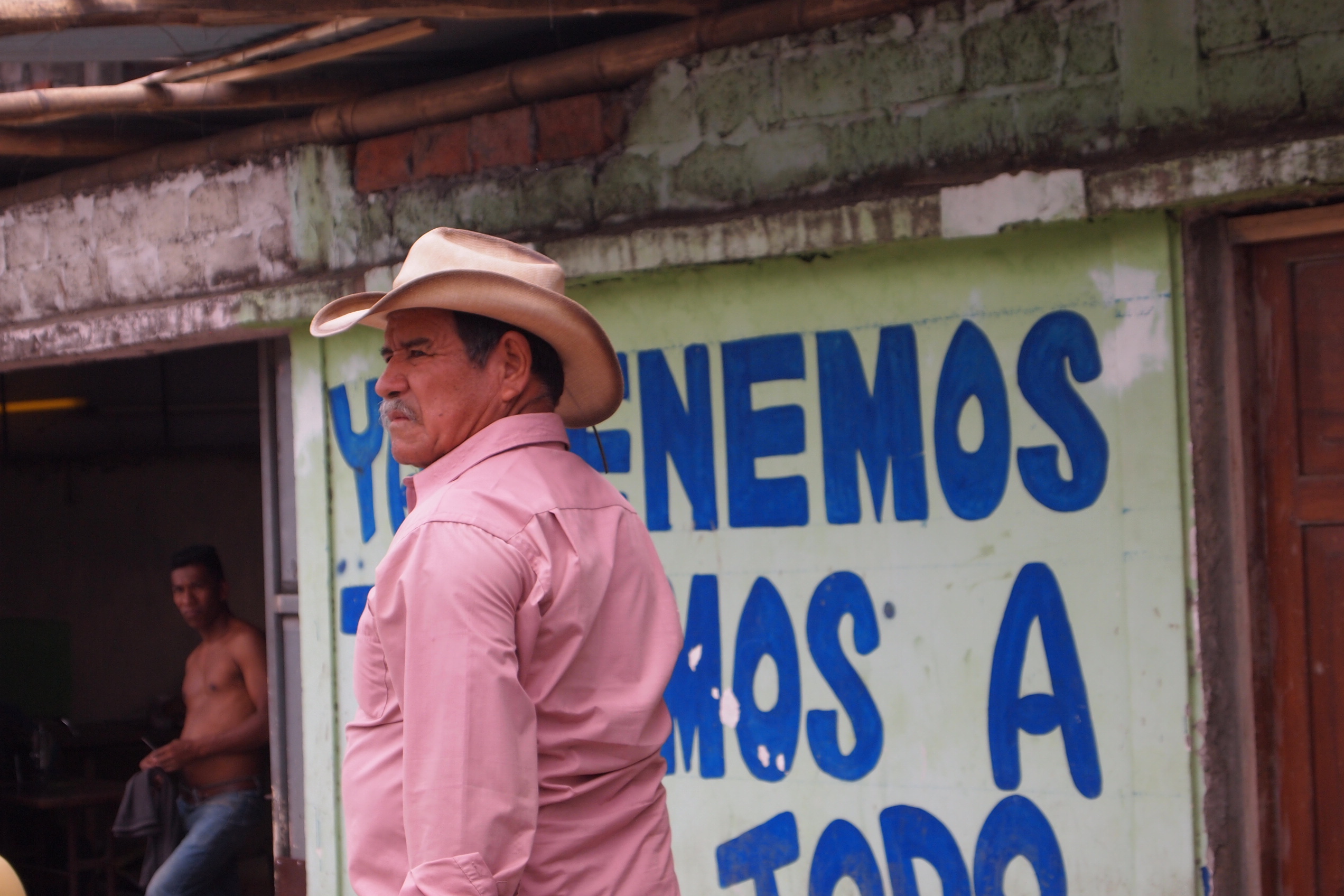
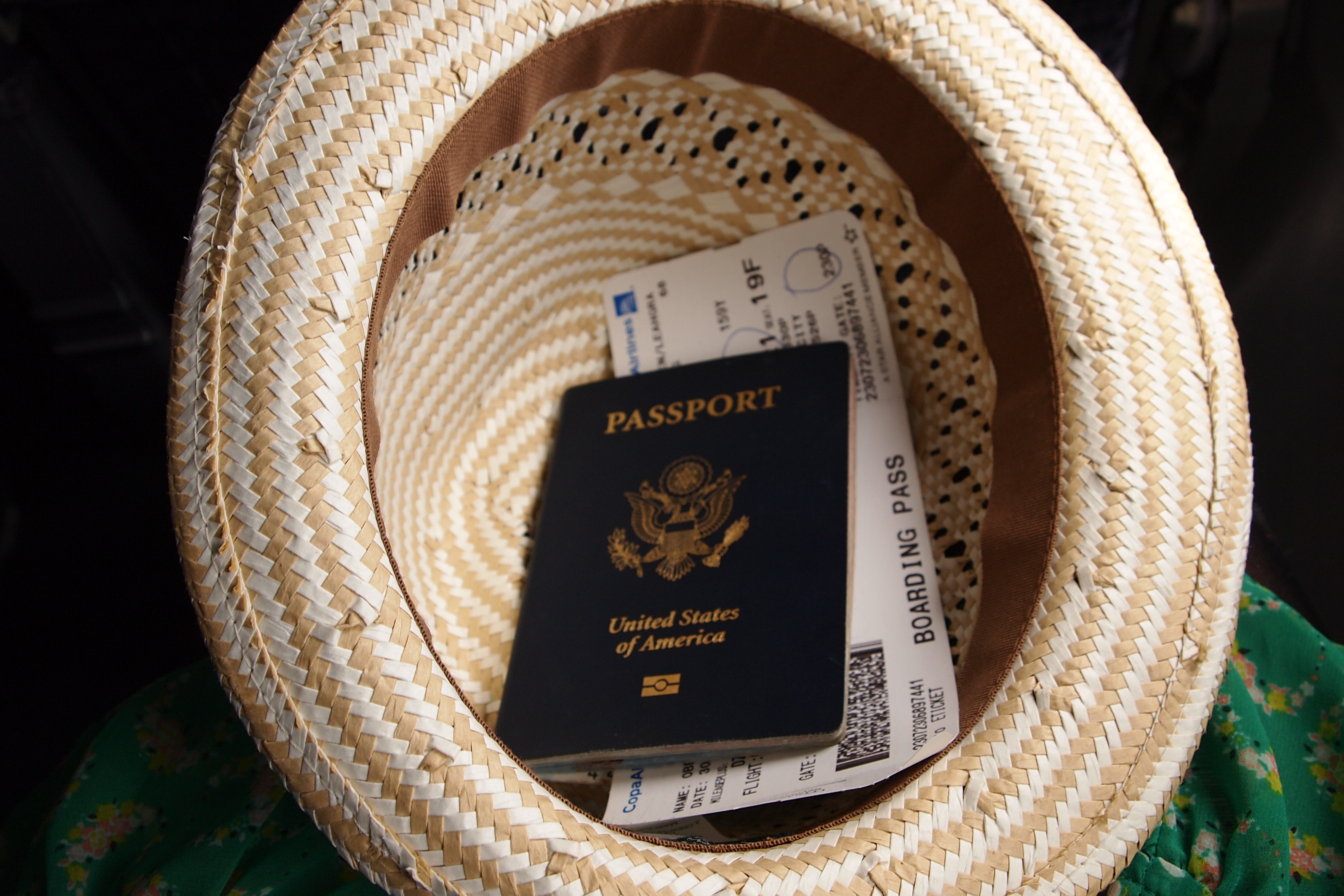

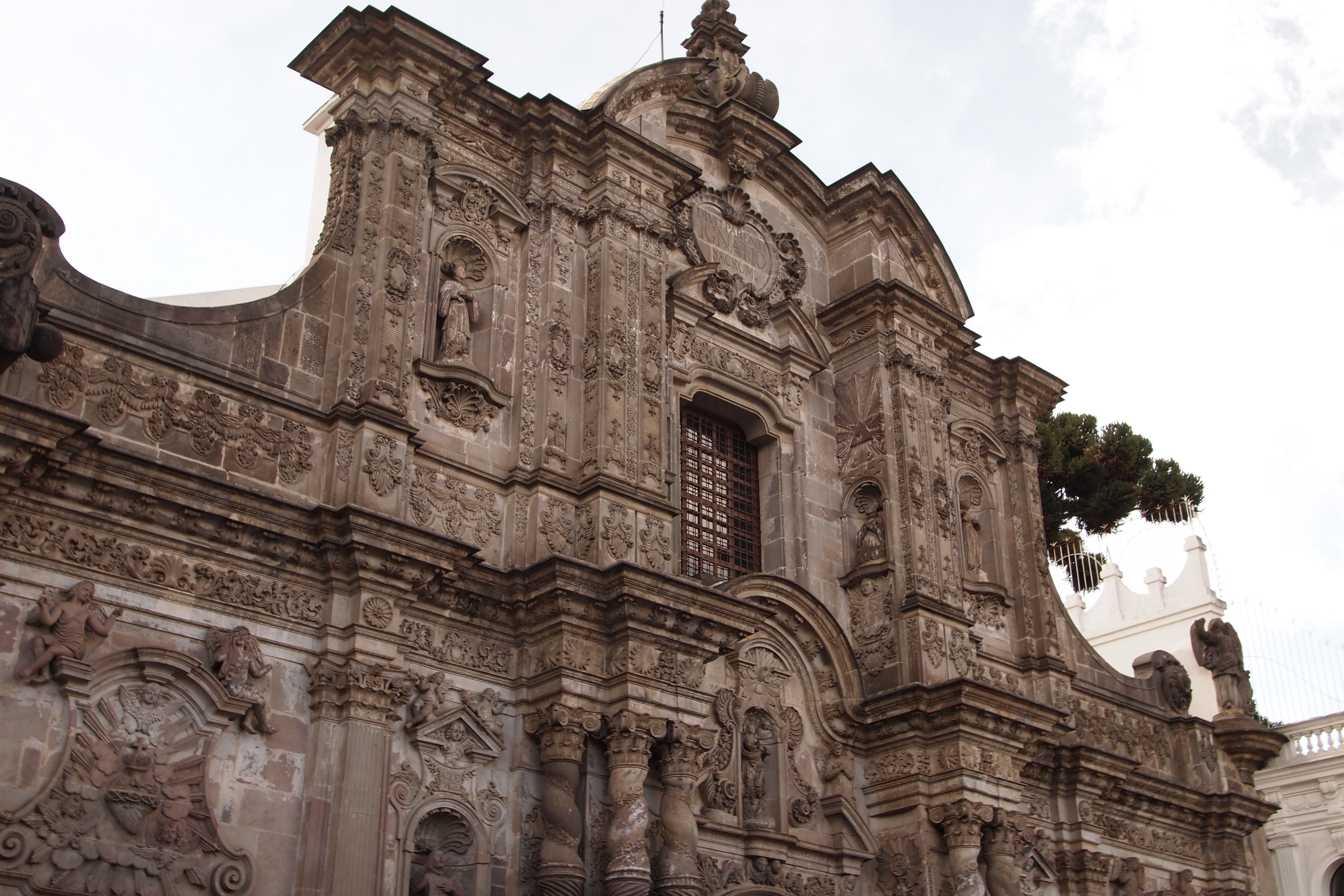
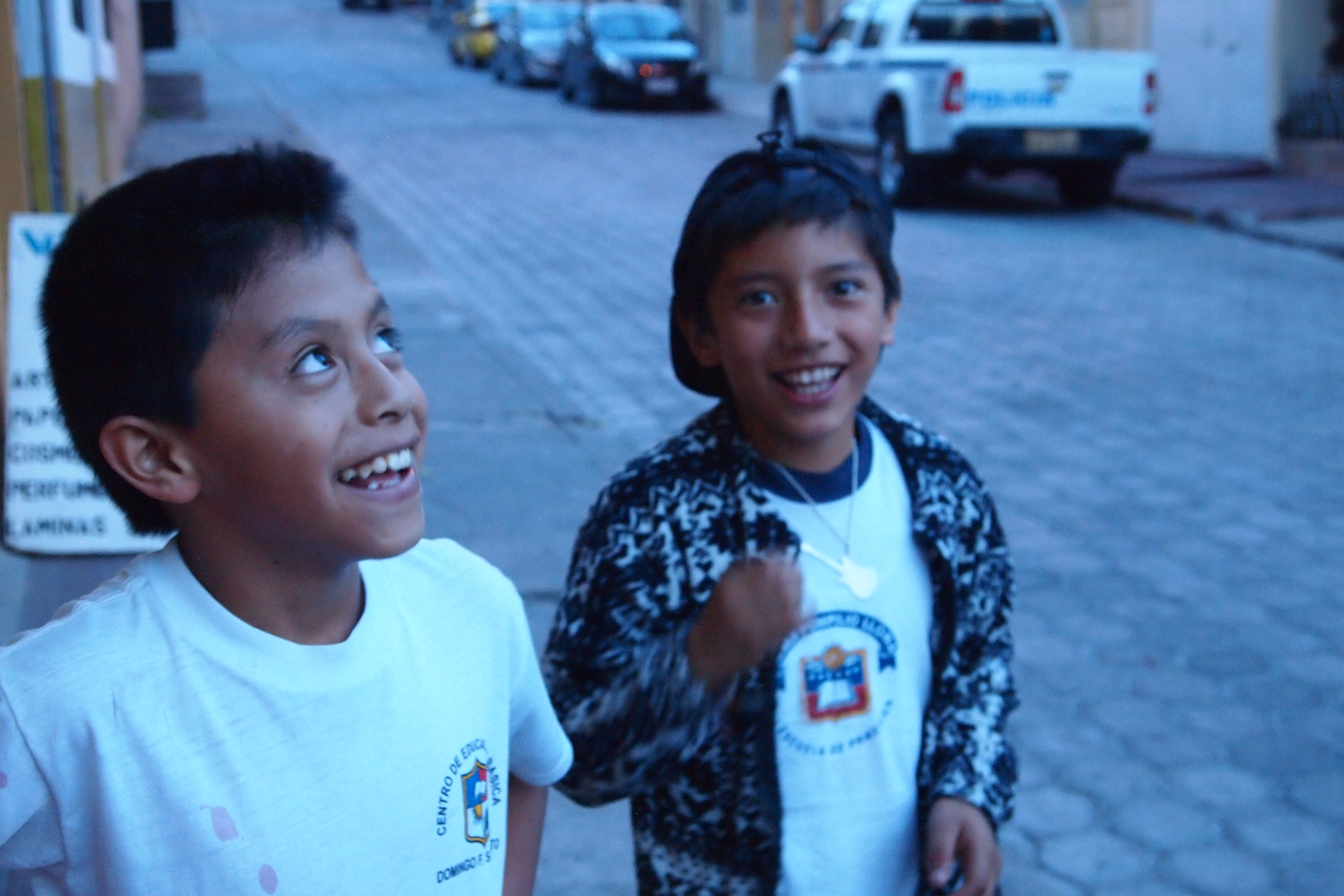

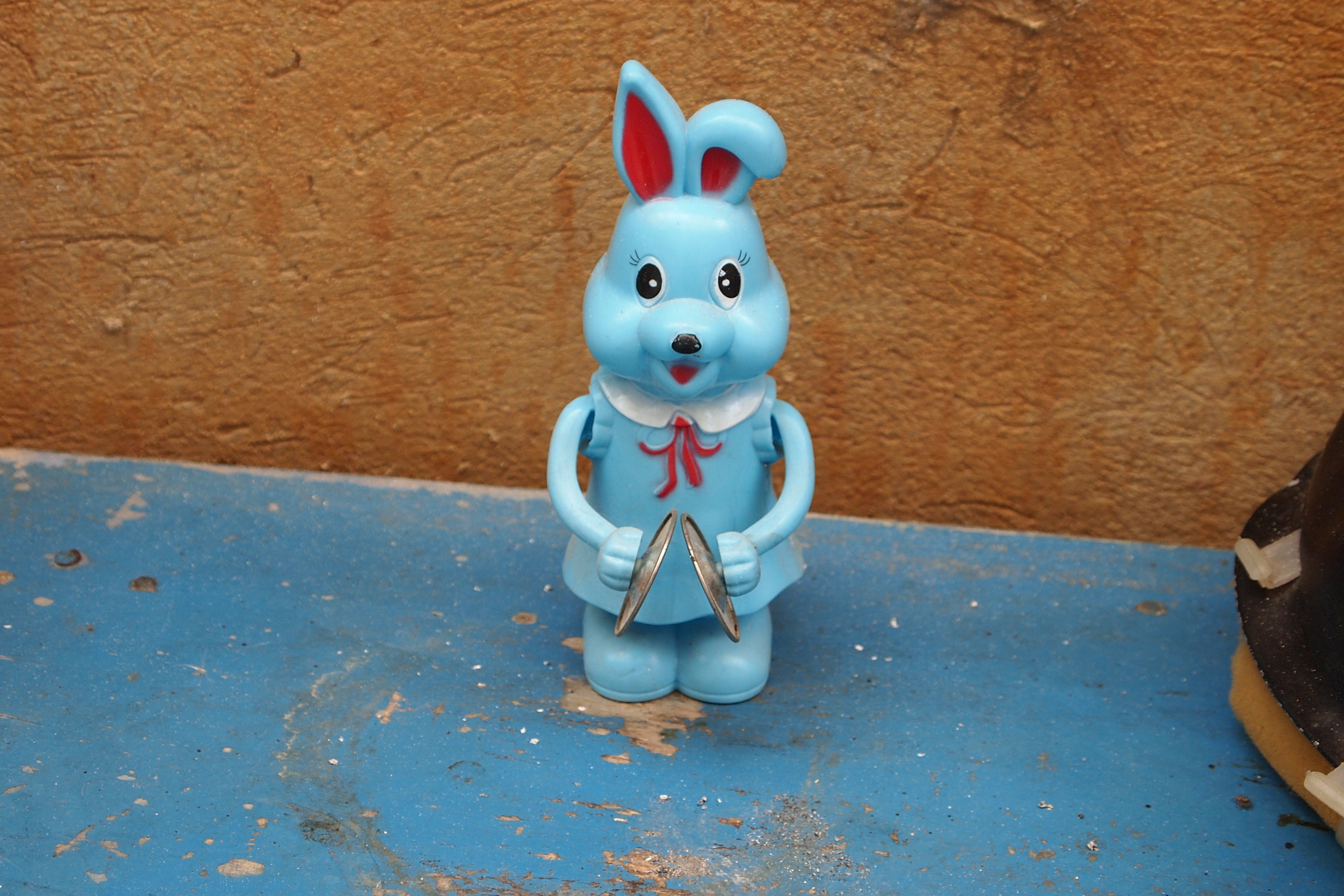
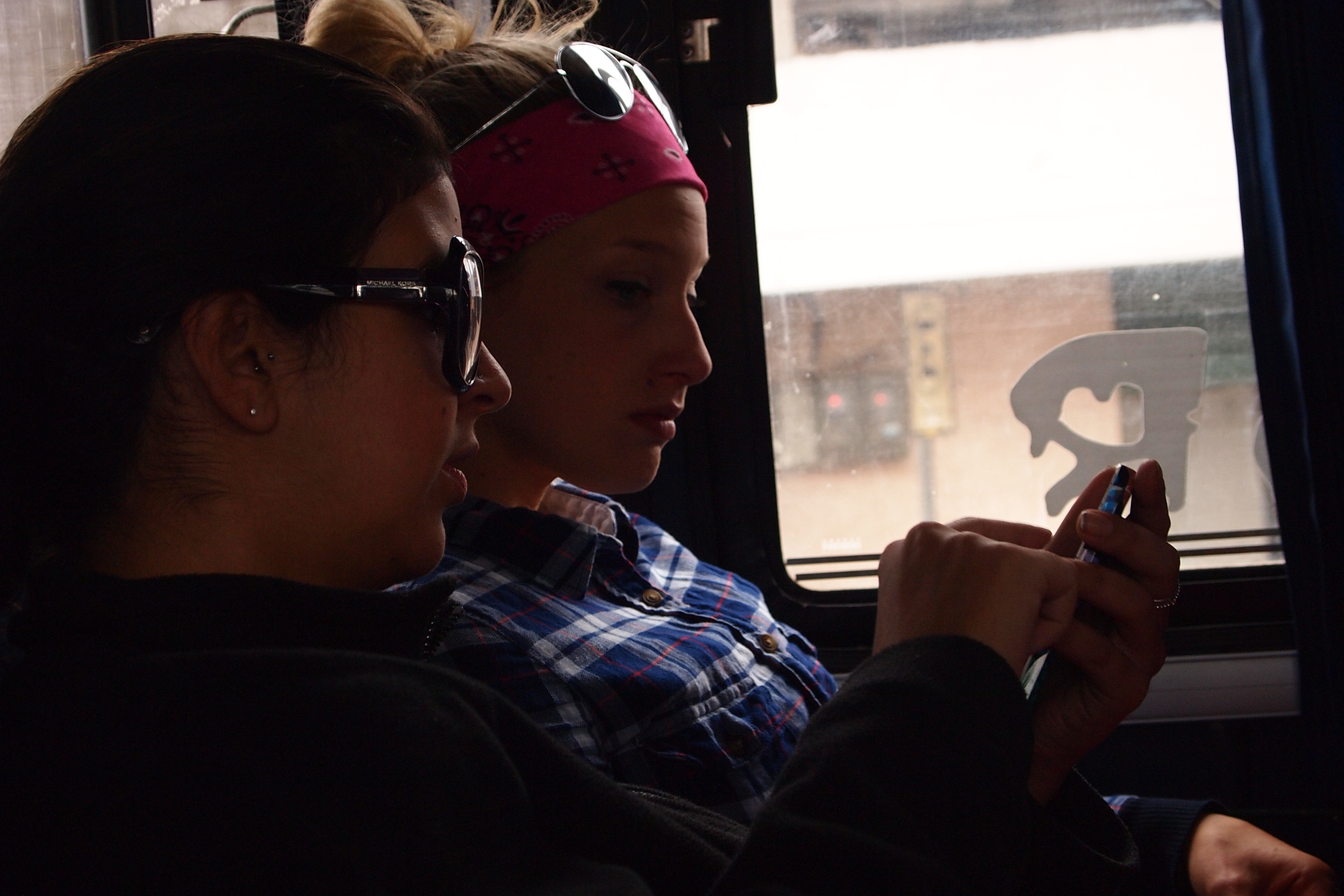
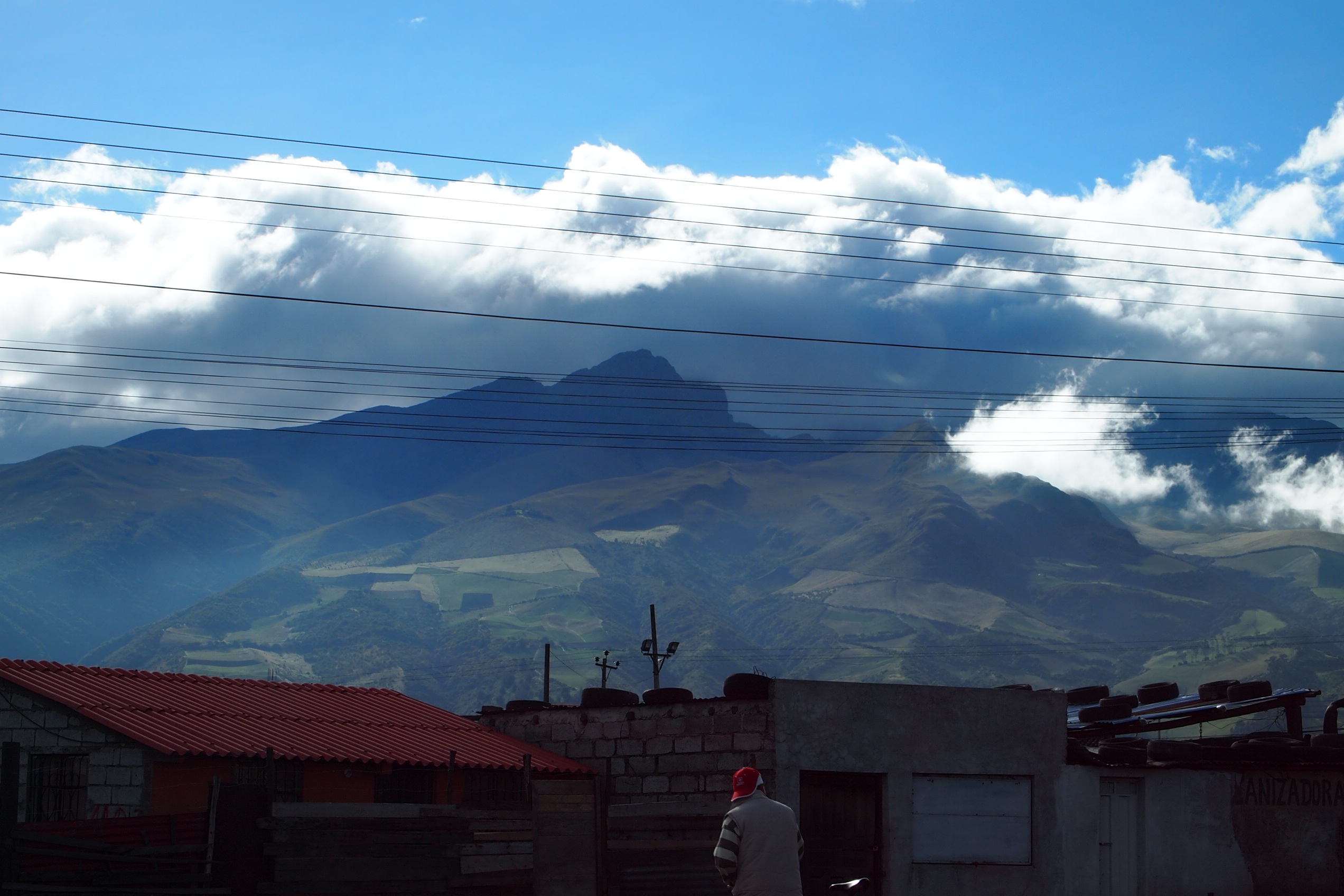
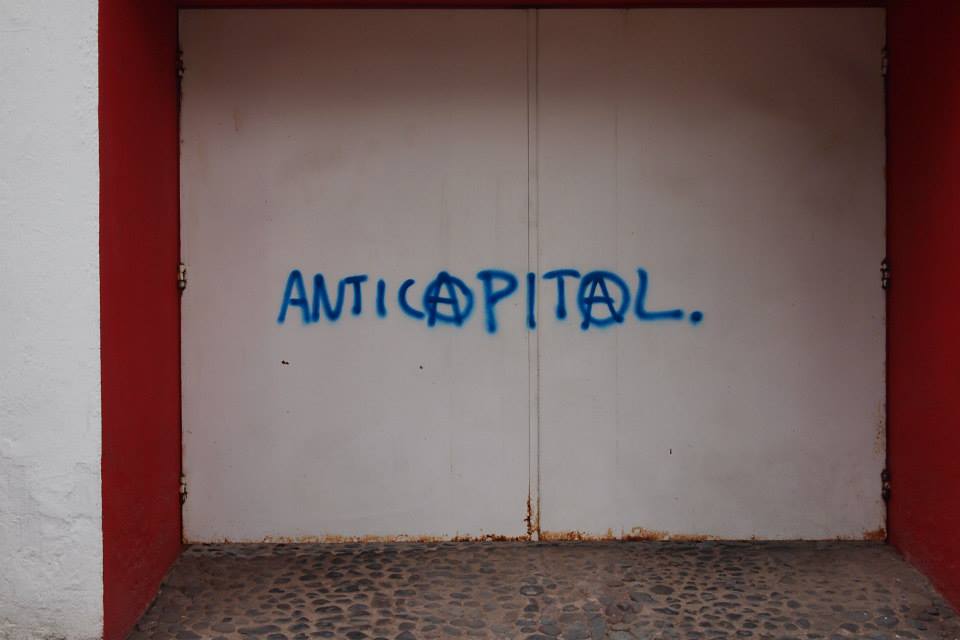
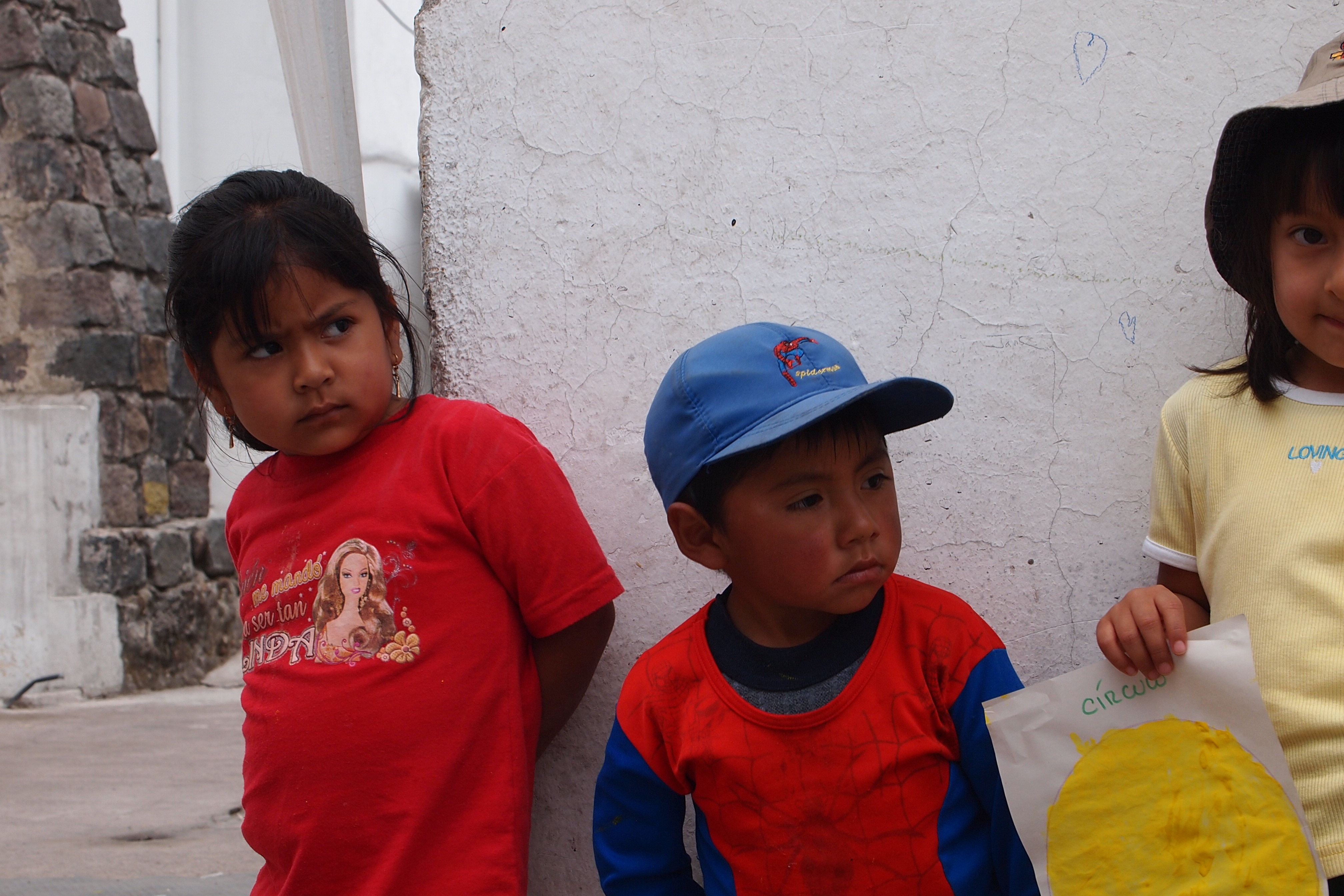
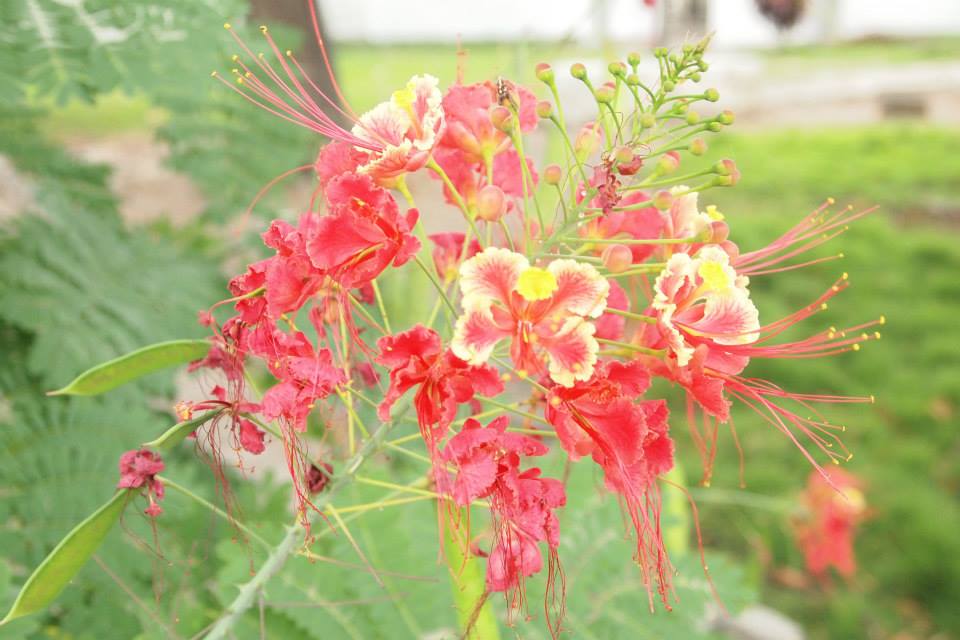

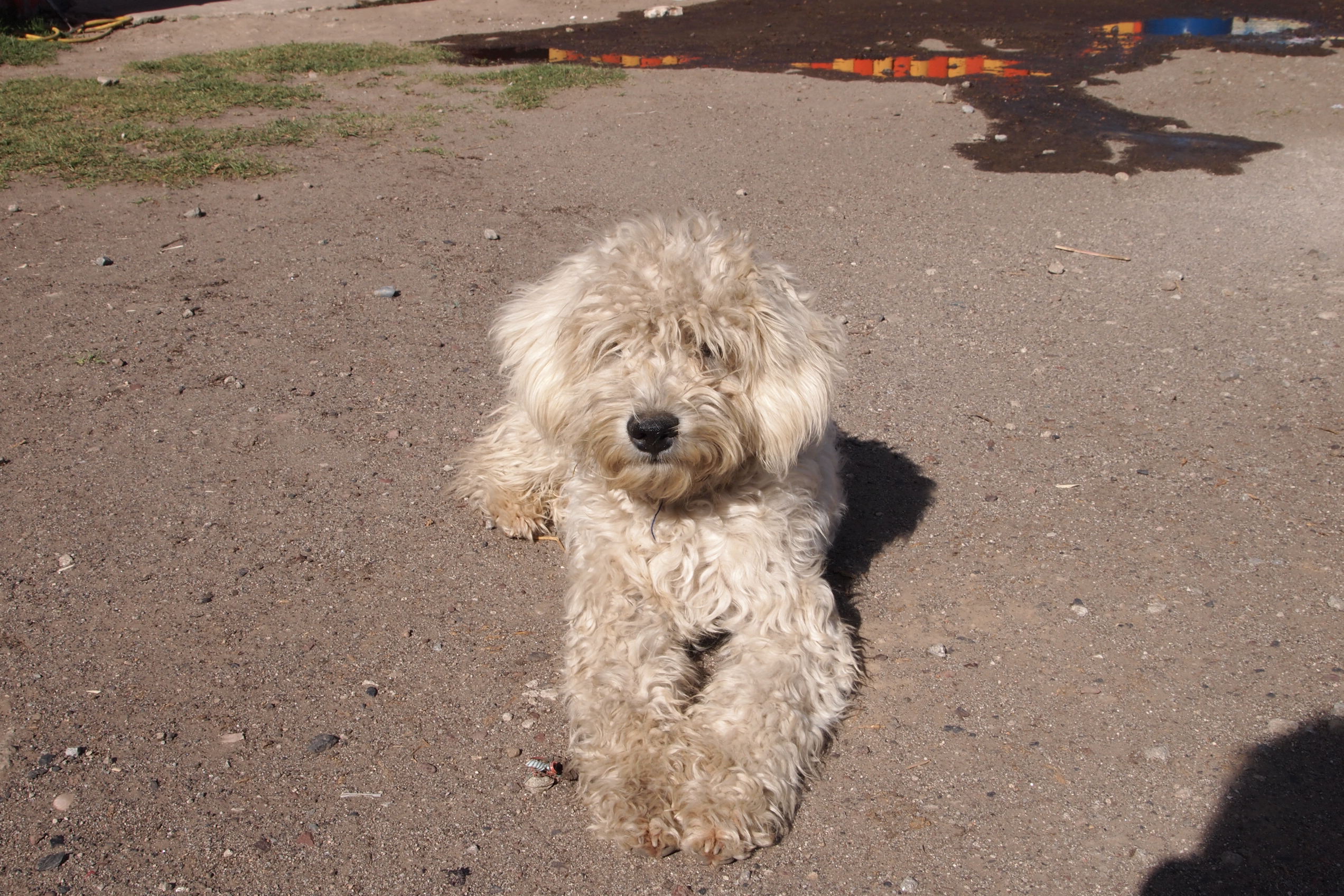
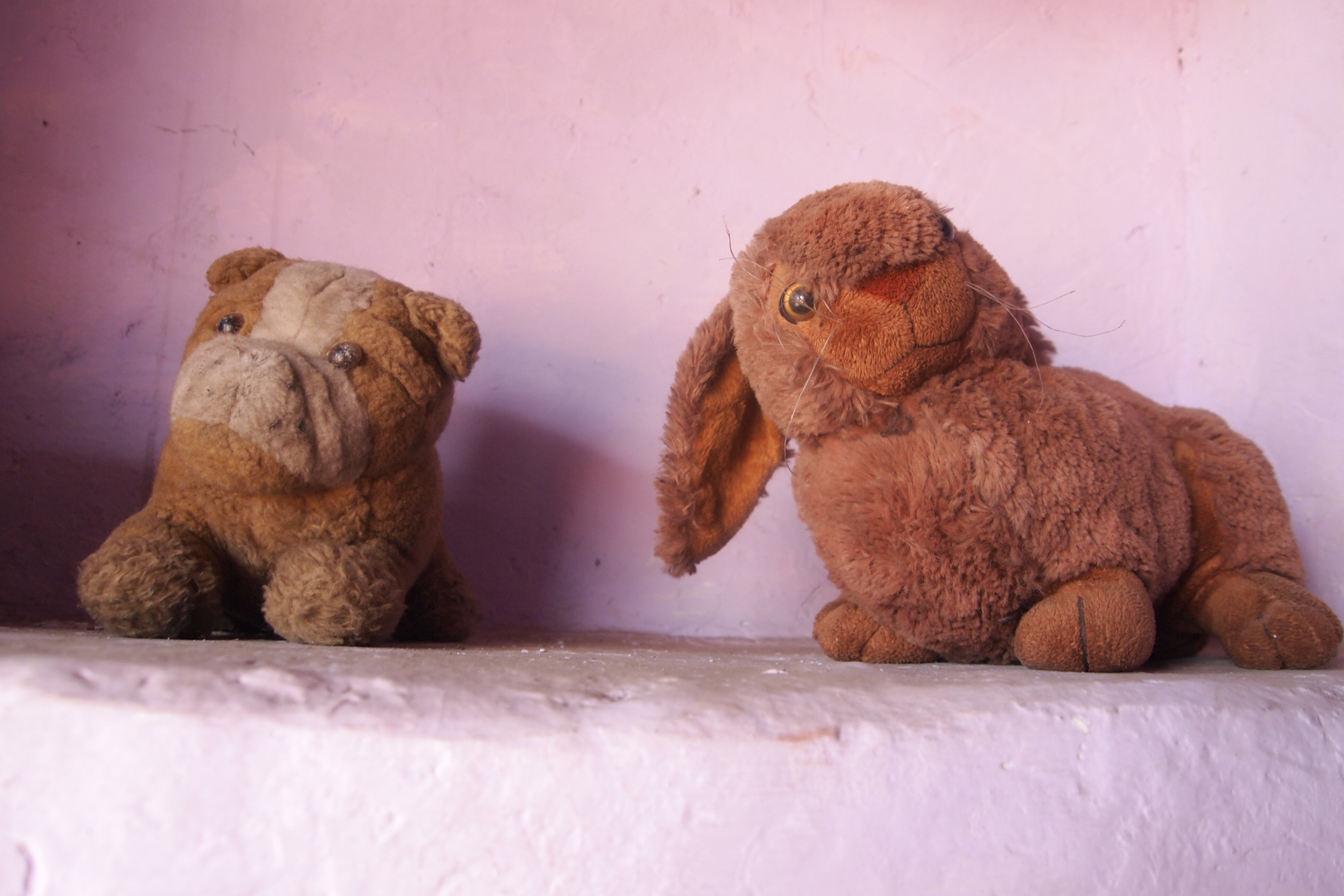


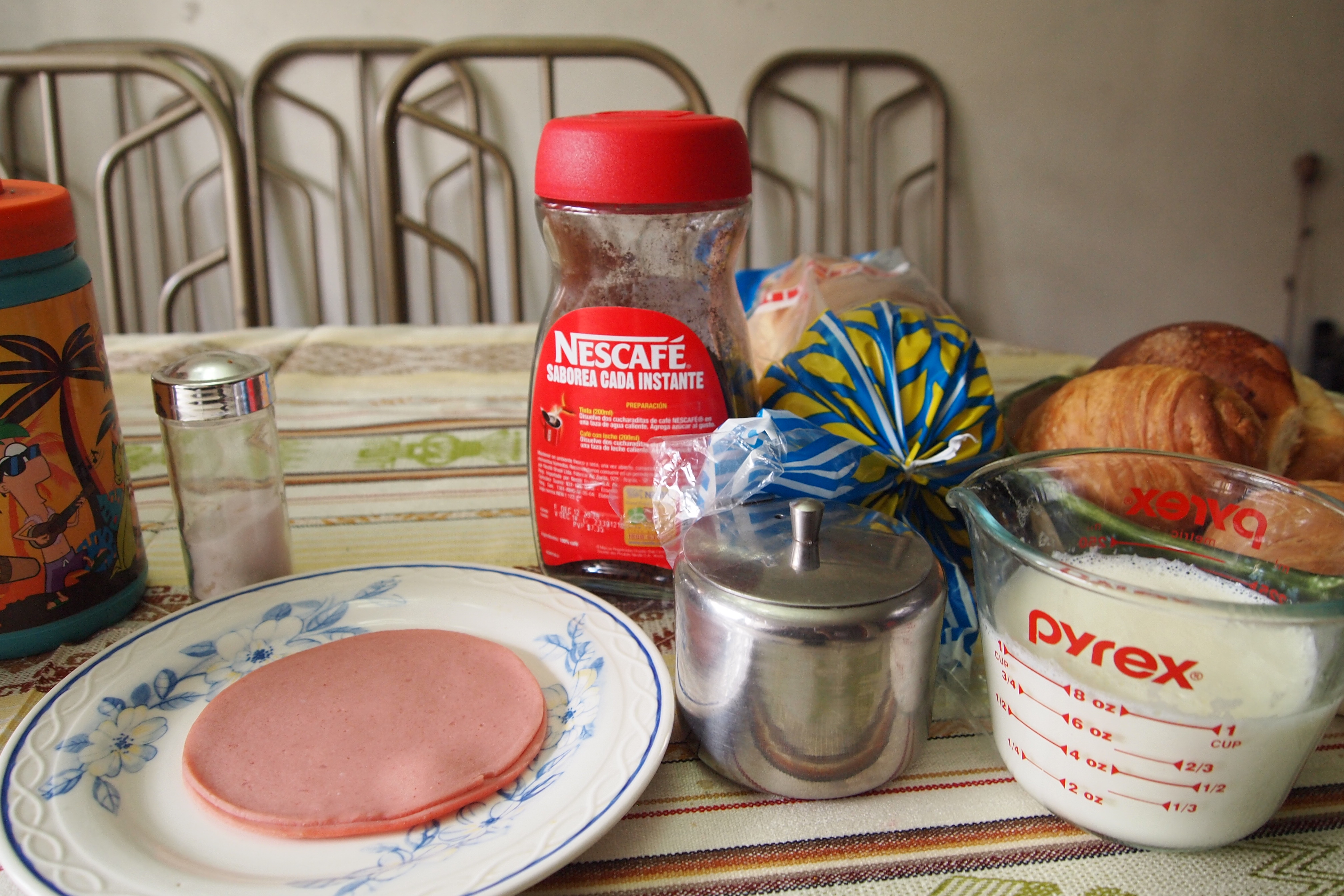
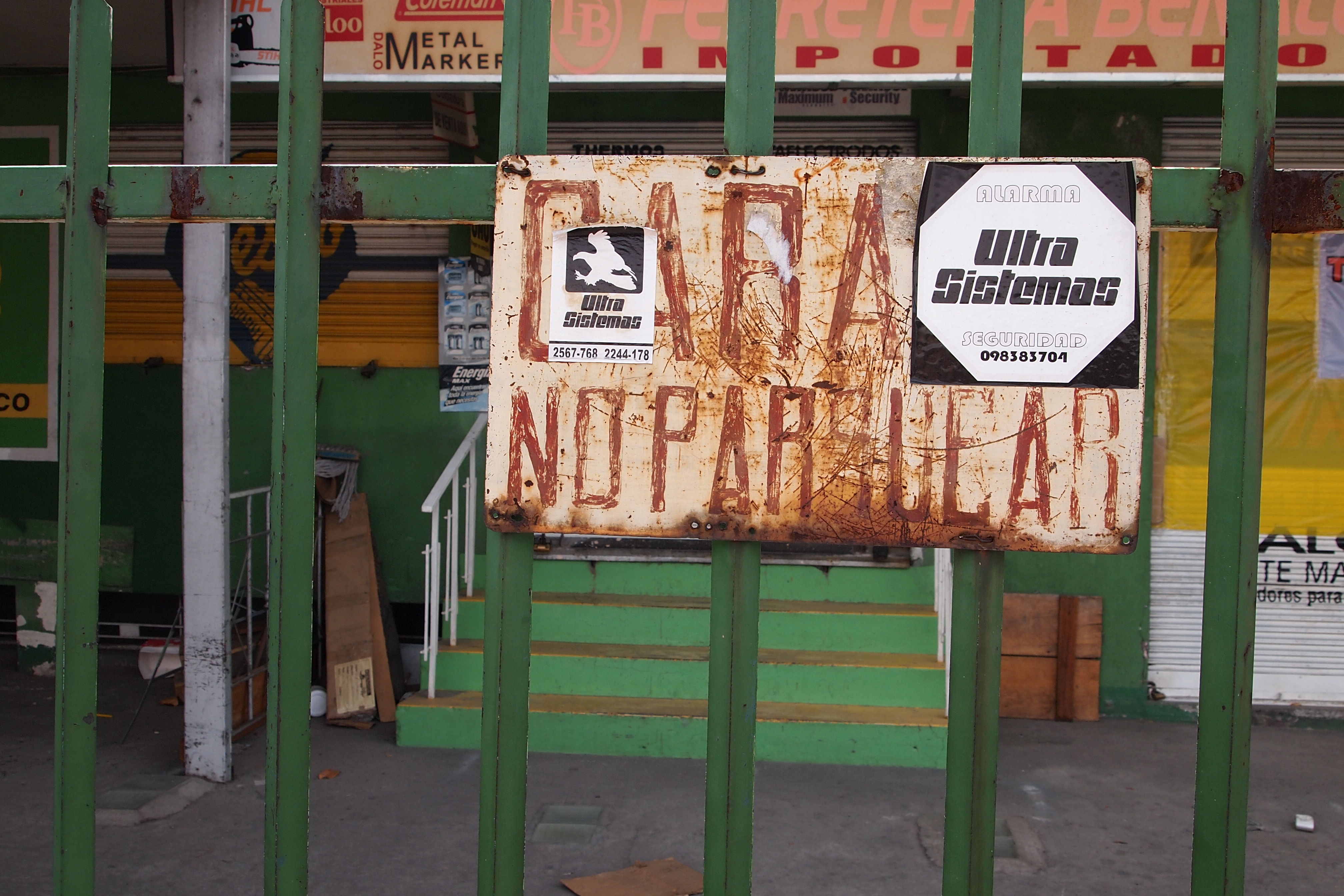
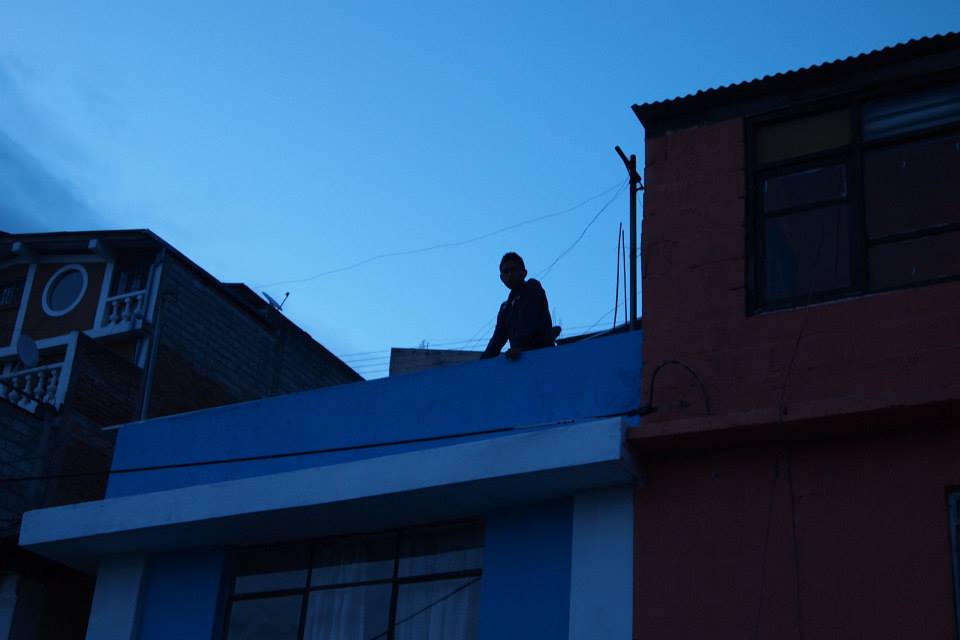
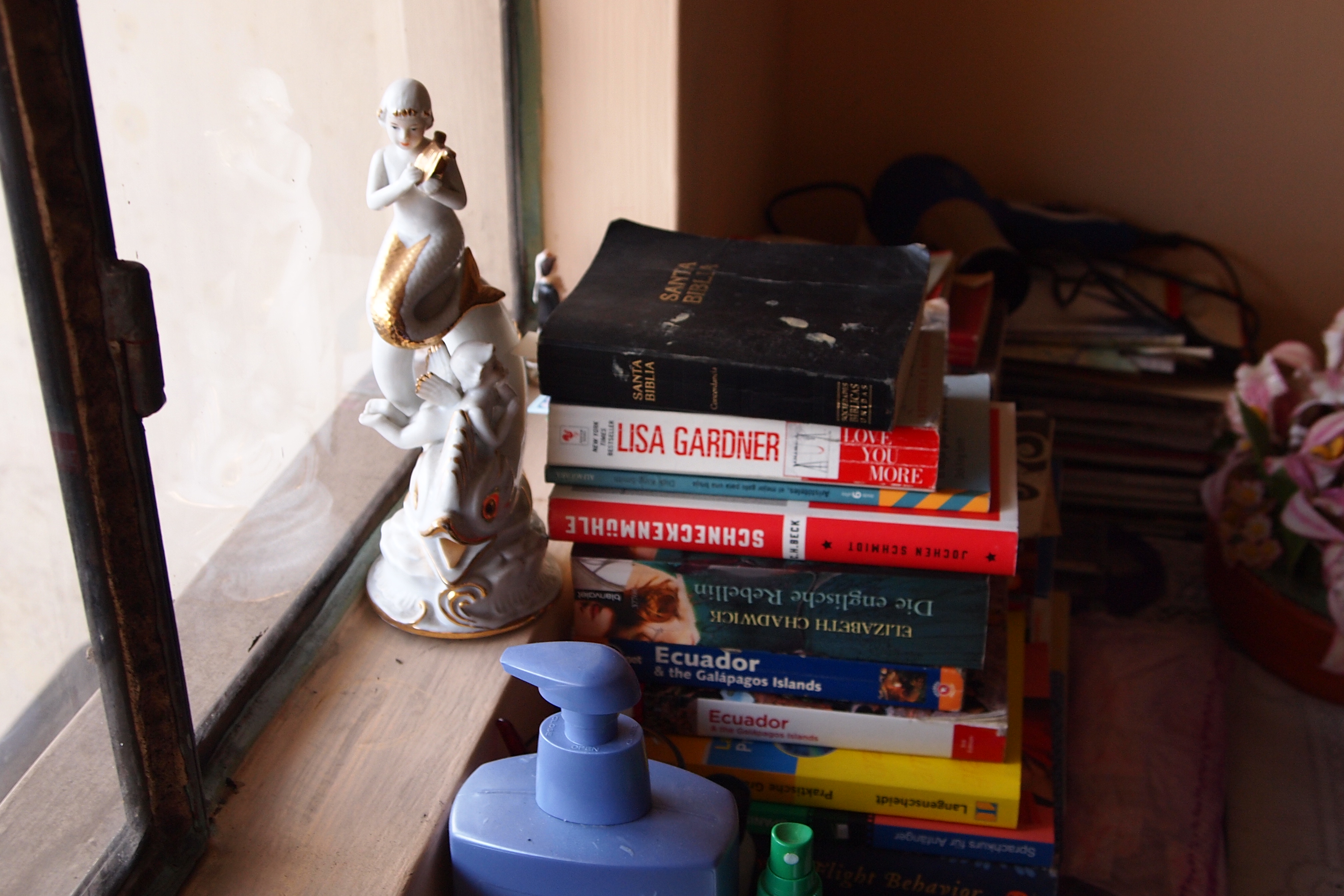

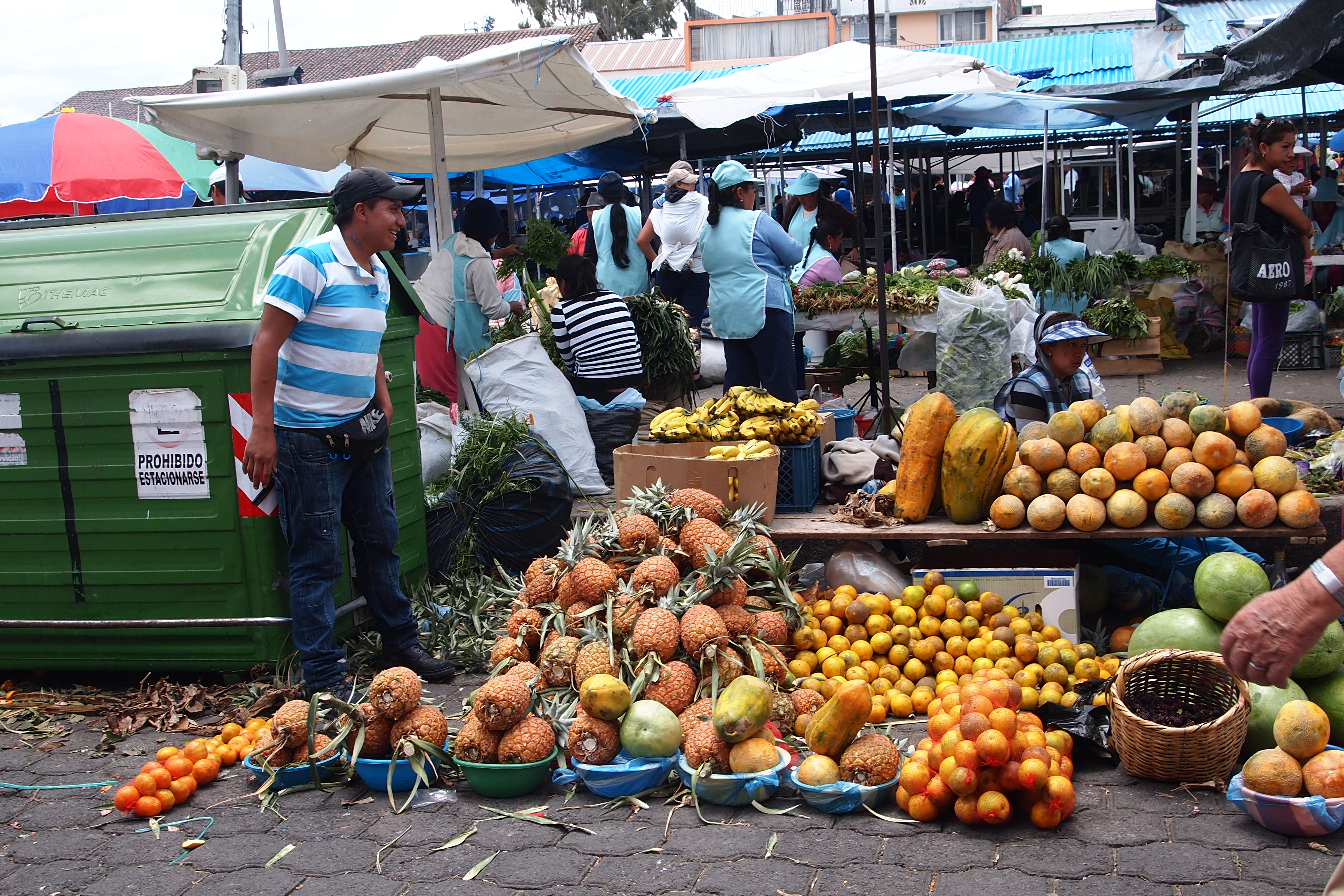
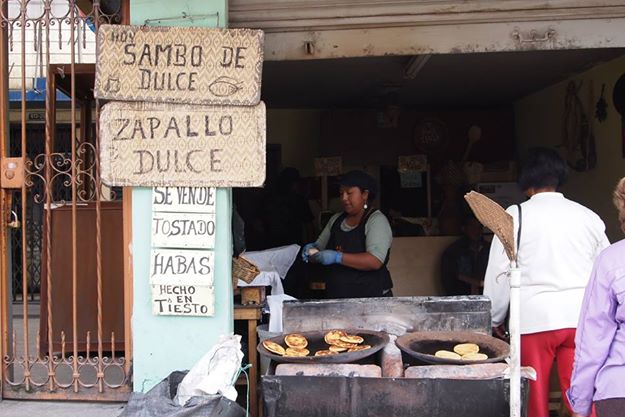
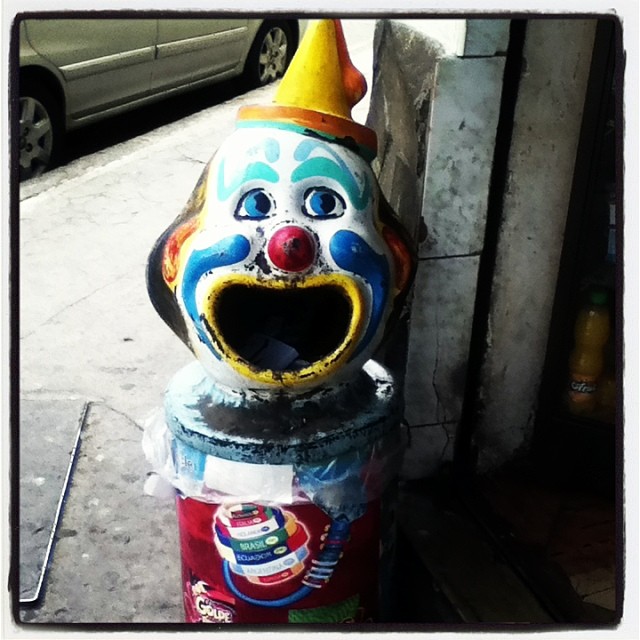
The garbage cans in Ecuador will haunt your dreams..

The warm summer rain thundered down on top of the car, sheets of water slid down the windshield, sprinkling me as I lay in the backseat, my hands tucked in between my knees. Looking out the car window into the thickness of darkness, I saw tendrils of Spanish Moss swaying in the wind. The last of the tropical storm continued to sweep through the southern part of the state, leaving broken tree limbs and powerlines scattered up and down the rural highway….

El Tropical, located in Quito’s historical La Ronda neighborhood, features an old school jukebox, along with the elusive naranjilla drink. The naranjilla is fermented, and served in glass bottles for muy barato. It is bright yellow, and looks as though it could be melted mustard gas. This drink is supposedly found only in this bar, and cannot be purchased anywhere else in Ecuador. An old man with poor eyesight and a penchant for dirty handkerchiefs checks on the small vintage tables, making sure everyone is getting their fill. The crowd is usually mixed. Late night vagabonds, along with young musicians and artists frequent El Tropical. The draw for me is the incredible jukebox. The music of Celia Cruz, Marta Perez, along with dozens of Cuban singers and musicians waft from the old jukebox, filling the air with magic. El Tropical is a place that must be visited. It is charming and timeless.

Our South American Adventure
on the dangers--and pleasures--of love stories
Tiny house tours and resources in DC
 vagabonds and villains